


Key Takeaways
- Coffee alternatives offer an option for people who don’t feel their best after drinking traditional coffee.
- Options like matcha, chicory, or mushroom blends offer support for metabolic health and balanced energy.
- Choosing the right beverage can help keep your morning calm and focused.
that {{mid-cta}}
Many people love the ritual of a warm morning cup of coffee. The comfort and aroma signal that the day is officially starting.
If you feel fine after drinking coffee, you may not be particularly sensitive to it. But not everyone thrives on caffeine. For some people, even one cup can trigger jitters or anxiety and lead to a mid-morning crash. Caffeine may also affect blood glucose patterns, making mornings feel a bit more unpredictable.
The good news: You don’t have to forgo a warming morning ritual to feel energized. Many coffee alternatives can offer a softer lift and steadier focus. Some are rich in nutrients and low in (or free of) caffeine, providing an energy boost without the wired edge.
Here are nine options to help you start your day feeling alert and energized.
Why Look for Coffee Alternatives?

People switch to coffee substitutes for different reasons, but it often comes down to how they feel after drinking coffee. While some people have no issues with caffeine, others find the caffeine load from regular coffee is too much, or the acidity doesn’t sit well with their stomach. Some are simply tired of energy crashes, cortisol spikes, or the roller coaster of feeling wired and then wiped out.
Reducing caffeine can help ease jitters and anxiousness. And for those who regularly feel a mid-morning crash after their first cup, cutting back may help prevent the urge to reach for another just to stay alert.
Lower-caffeine or caffeine-free drinks may also support steadier glucose levels and better sleep. And for many people, exploring new morning beverages adds variety, offering a simple way to bring more nutrients, flavor, and wellness into their routine.
The 9 Best Coffee Alternatives for Smooth, Sustained Energy
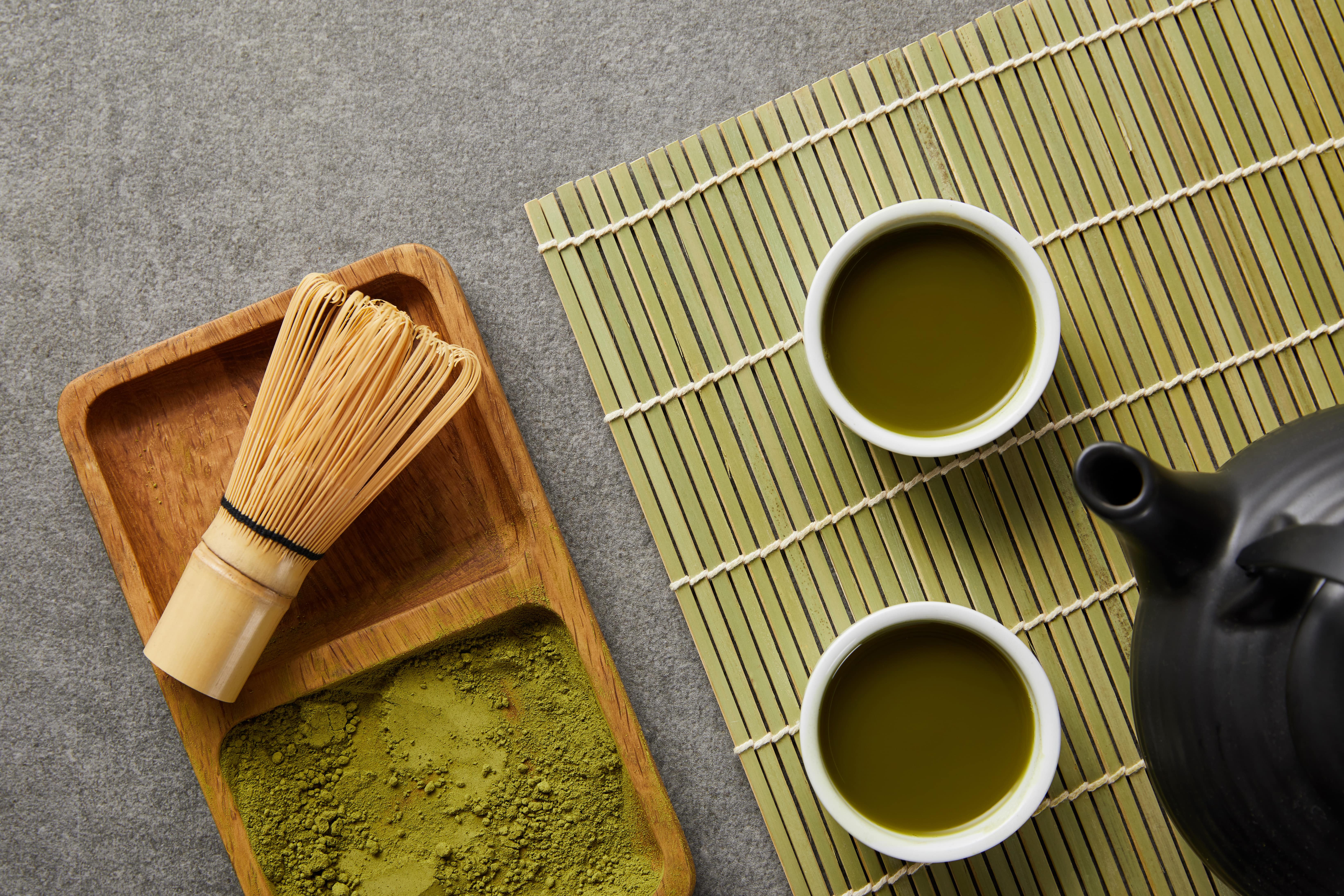
Here are nine coffee alternatives for healthy energy throughout the day.
1. Matcha Green Tea
Matcha provides an antioxidant-rich, smoother lift than coffee because it contains less caffeine and is a natural source of the calming amino acid L-theanine. Research shows that the caffeine-L-theanine combination helps improve attention and reaction time while reducing jitteriness and stress, and matcha itself may support attention and working memory.
Flavor profile: Grassy, earthy, lightly sweet.
How to enjoy it: Whisk with hot water or blend into a latte with dairy or nondairy milk.
2. Chicory Root Coffee
Chicory root is a plant that’s naturally caffeine-free and contains inulin, a prebiotic fiber that supports digestive health. Studies show that inulin can improve metabolic health, support gut microbiota, and increase satiety. Many people use chicory coffee like Dandy Blend, made from roasted chicory root and dandelion, to limit caffeine without giving up the roasted flavor they love.
Flavor profile: Roasted, nutty, slightly caramel-like
How to enjoy it: Brew like coffee, or use a French press, then drink it black or with milk and spices.
3. Mushroom Coffee
Mushroom coffee blends typically combine a small amount of coffee, tea, or chicory with superfoods or functional mushrooms like reishi, cordyceps, or Lion’s mane. The type of mushrooms in the coffee can offer different health benefits. For example, Lion’s mane may support cognitive function and mood. Reishi, another functional mushroom, may support immune function and promote calming effects. You can find powders that resemble hot chocolate, offering a sweet but metabolically friendly way to start your morning.
Flavor profile: Earthy, slightly bitter, mild umami.
How to enjoy it: Stir powdered blends into hot water (similar to instant coffee) or add to lattes or smoothies.
4. Yerba Mate
Research on yerba mate suggests that, although it contains caffeine, its effects are different in the body. It also contains theobromine, a compound closely related to caffeine, that may have similar effects on focus or alertness without the jitters. Studies suggest yerba mate offers a gentler, more sustained lift than traditional coffee. Many people find it energizing without the sharp edge of coffee.
Flavor profile: Herbal, grassy, slightly smoky, or bitter.
How to enjoy it: Brew loose-leaf mate traditionally or steep tea bags; serve hot or iced.
5. Green Tea or Black Tea
Both green and black tea provide moderate caffeine, L-theanine, and other bioactive compounds. Multiple studies suggest that tea consumption can improve alertness, attention, and cognitive performance (including memory and executive function), often delivering a steadier lift than typical high-caffeine drinks. It’s still possible to overdo caffeine with black tea if you’re drinking several cups, so be mindful of your intake.
Flavor profile: Green tea: mild, grassy; Black tea: Bold, tannic
How to enjoy it: Sip hot or iced; add lemon, honey, or creamer depending on the tea.

6. Golden Milk (Turmeric Latte)
Golden milk is caffeine-free and centered on the spice flavor of turmeric. Curcumin, turmeric’s active compound, may help reduce inflammation and support mood and cognitive function. It won’t provide a stimulant energy boost, but it gives a spicy, warming boost.
Flavor profile: Warm, spicy, earthy with notes of turmeric and ginger.
How to enjoy it: Warm milk or nondairy milk (coconut milk makes it extra creamy) with turmeric, cinnamon, cardamom, ginger, and a touch of a sweetener like honey or maple syrup. You can also find pre-made powders.
7. Protein-Packed Morning Shake
High-protein drinks support energy by stabilizing blood glucose and improving satiety. Research shows protein-rich meals increase fullness and help reduce post-meal glucose spikes. Instead of jittery energy, you get sustained fuel throughout your morning.
Flavor profile: It’s up to you! You can go creamy, vanilla, chocolate, or fruity, depending on the ingredients.
How to enjoy it: Blend protein powder with milk or beverage of choice, fruit, nut butter, or greens.
8. Electrolyte-Boosted Water or Hydration Drinks
We won’t pretend that water is the same as coffee, but many people feel sluggish from mild dehydration. Even slight dehydration can impair concentration, mood, and energy. Electrolyte drinks help replenish fluids and minerals that support steady energy levels.
Flavor profile: Light, refreshing, often citrus or berry.
How to enjoy it: Mix electrolyte powder with water; look for options with minimal added sugar, and check the sodium content if you’re monitoring your intake.
9. Adaptogenic Herbal Blends
Adaptogens like ashwagandha and rhodiola may help the body better manage stress. Ashwagandha has been shown to reduce stress and support emotional well-being, while Rhodiola may improve fatigue and cognitive performance under stress. You can find drink blends that include these herbs, often sweetened with stevia or monk fruit, with additional flavors like vanilla or cacao.
Flavor profile: Earthy, slightly bitter, or floral, depending on the herbs
How to enjoy it: Stir into warm milk, add to lattes or smoothies, or brew as an herbal tea, depending on the blend.
How to Choose the Right Coffee Alternative for You

Start by thinking about why you want to limit coffee and the type of energy you want to achieve. If you need focus, matcha or Lion’s mane blends may work best. If you want to avoid caffeine altogether, chicory, golden milk, or adaptogenic herbal mixes offer nourishing options.
For metabolic stability, stick with high-protein shakes or green tea, which offers anti-inflammatory benefits. If your primary concern is stress, reach for ashwagandha, reishi, or rhodiola.
Choosing the right alternative isn’t only about replacing coffee; it’s about finding the drink that supports how you want to feel.
How Coffee Alternatives Support Metabolic and Glucose Health
.png)
For many people, traditional coffee isn’t neutral; it can quietly drive glucose swings, energy crashes, and cravings. Coffee alternatives offer a way to protect steady energy while still supporting focus and routine.
Coffee alternatives may support metabolic balance by:
1. Reducing Cortisol-Driven Glucose Spikes
High caffeine doses, especially first thing in the morning or on an empty stomach, can elevate cortisol. For some people, that stress response shows up as a rise in glucose even without food.
How Signos helps
- 24/7 CGM data reveals caffeine-only glucose responses
- Context logging links coffee timing, fasted state, and stress to glucose changes
- Weekly Insights surface patterns like morning caffeine-related spikes
Try this experiment
- Day 1–2: Drink black coffee upon waking (no food)
- Day 3–4: Swap for a low-caffeine alternative (matcha, mushroom coffee, or chicory)
- Compare:
- Size and speed of glucose rise
- Time spent in the purple (optimal) zone within 2 hours
2. Supporting Steadier Energy with Low-Glycemic Beverages
Many coffee alternatives avoid added sugars and ultra-refined creamers, reducing rapid glucose climbs followed by drops that feel like “energy crashes.”
How Signos helps
- Glucose state color-coding shows whether a drink creates a smooth plateau or a spike-and-crash
- Trend comparisons help identify which beverages keep glucose stable the longest.
Try this experiment
- Test three drinks on separate mornings:
- Sweetened latte or flavored creamer coffee
- Unsweetened coffee alternative
- Coffee alternative + protein (collagen or protein milk)
- Look for:
- Fewer yellow/pink spikes
- Longer sustained purple zone
3. Delivering Nutrients That Extend Satiety
Some coffee alternatives include protein, prebiotic fiber, or adaptogens that slow digestion, support gut health, and reduce the urge to snack shortly after drinking.
How Signos helps
- Meal and beverage tagging tracks satiety-supporting add-ins
- Hunger-linked glucose patterns reveal whether cravings align with glucose drops
Try this experiment
- Drink coffee alternative alone one day
- Drink the same alternative with:
- Collagen or protein
- Fiber-rich milk (like chia-blended or flax milk)
- Compare:
- Time until next glucose rise
- Frequency of mid-morning snacking
4. Preventing Caffeine Crashes That Trigger Cravings
Fast caffeine spikes can lead to sharper glucose drops later, often driving cravings for sugar or refined carbs.
How Signos helps
- Daily glucose curves show post-caffeine drops.
- Weekly Insights highlight repeat crash-and-crave cycles.
- Behavioral patterns connect caffeine timing to afternoon energy dips.
Try this experiment
- Alternate days between:
- High-caffeine coffee
- Low-caffeine or caffeine-free alternative
- Track:
- Afternoon glucose stability
- Number of glucose “mini spikes” from grazing
Coffee alternatives aren’t about giving up coffee; they’re about finding what your metabolism prefers. With Signos, you can move beyond guesswork and see exactly how caffeine type, dose, and timing affect your glucose, energy, and cravings.
Small swaps. Measurable results. Real metabolic insight.
4 Tips for Making the Switch

Making the move from coffee to an alternative doesn’t have to happen in one day. Small, strategic changes help you ease in while paying attention to what actually works for your body.
- Start with one swap a few days per week: Replacing just one cup at a time keeps the transition manageable and helps prevent withdrawal-related dips in energy or mood.
- Pair morning beverages with protein-rich foods: Whether you’re drinking matcha, chai, or a caffeine-free option, adding protein helps promote steady energy and more stable blood sugar. Try pairing your drink with Greek yogurt, eggs, or a protein smoothie.
- Monitor your energy, mood, hunger, and sleep: Pay attention to how your new routine affects your day. Noticing patterns, such as better afternoon focus or more consistent sleep, can help you identify the choices that work for your body.
- Try multiple options: Everyone responds differently to caffeine levels, herbs, and adaptogens. Sampling a few alternatives lets you compare how each one tastes and feels, so you can settle on the beverage that satisfies you.
The Bottom Line
Coffee isn’t the only way to feel energized. These nine alternatives offer steady, jitter-free energy and more predictable glucose patterns. Whether you want less caffeine, better sleep, or a calmer morning routine, experimenting with new beverages can help you build mornings that feel both focused and calm.
Learn More With Signos’ Expert Advice
If you’re curious how your morning habits influence energy and glucose trends, Signos can help you improve your health through personalized insights. Explore more about metabolic health and glucose on the Signos blog.
Topics discussed in this article:
References
- Dewar, L., & Heuberger, R. (2017). The effect of acute caffeine intake on insulin sensitivity and glycemic control in people with diabetes. Diabetes & metabolic syndrome, 11 Suppl 2, S631–S635. https://doi.org/10.1016/j.dsx.2017.04.017
- Anas Sohail, A., Ortiz, F., Varghese, T., Fabara, S. P., Batth, A. S., Sandesara, D. P., Sabir, A., Khurana, M., Datta, S., & Patel, U. K. (2021). The Cognitive-Enhancing Outcomes of Caffeine and L-theanine: A Systematic Review. Cureus, 13(12), e20828. https://doi.org/10.7759/cureus.20828
- Sakurai, K., Shen, C., Ezaki, Y., Inamura, N., Fukushima, Y., Masuoka, N., & Hisatsune, T. (2020). Effects of Matcha Green Tea Powder on Cognitive Functions of Community-Dwelling Elderly Individuals. Nutrients, 12(12), 3639. https://doi.org/10.3390/nu12123639
- Puhlmann, M. L., Jokela, R., van Dongen, K. C. W., Bui, T. P. N., van Hangelbroek, R. W. J., Smidt, H., de Vos, W. M., & Feskens, E. J. M. (2022). Dried chicory root improves bowel function, benefits intestinal microbial trophic chains and increases faecal and circulating short chain fatty acids in subjects at risk for type 2 diabetes. Gut microbiome (Cambridge, England), 3, e4. https://doi.org/10.1017/gmb.2022.4
- Docherty, S., Doughty, F. L., & Smith, E. F. (2023). The Acute and Chronic Effects of Lion's Mane Mushroom Supplementation on Cognitive Function, Stress and Mood in Young Adults: A Double-Blind, Parallel Groups, Pilot Study. Nutrients, 15(22), 4842. https://doi.org/10.3390/nu15224842
- Gawron-Gzella, A., Chanaj-Kaczmarek, J., & Cielecka-Piontek, J. (2021). Yerba Mate-A Long but Current History. Nutrients, 13(11), 3706. https://doi.org/10.3390/nu13113706
- Mancini, E., Beglinger, C., Drewe, J., Zanchi, D., Lang, U. E., & Borgwardt, S. (2017). Green tea effects on cognition, mood and human brain function: A systematic review. Phytomedicine : international journal of phytotherapy and phytopharmacology, 34, 26–37. https://doi.org/10.1016/j.phymed.2017.07.008
- De Bruin, E. A., Rowson, M. J., Van Buren, L., Rycroft, J. A., & Owen, G. N. (2011). Black tea improves attention and self-reported alertness. Appetite, 56(2), 235–240. https://doi.org/10.1016/j.appet.2010.12.011
- El-Saadony, M. T., Yang, T., Korma, S. A., Sitohy, M., Abd El-Mageed, T. A., Selim, S., Al Jaouni, S. K., Salem, H. M., Mahmmod, Y., Soliman, S. M., Mo'men, S. A. A., Mosa, W. F. A., El-Wafai, N. A., Abou-Aly, H. E., Sitohy, B., Abd El-Hack, M. E., El-Tarabily, K. A., & Saad, A. M. (2023). Impacts of turmeric and its principal bioactive curcumin on human health: Pharmaceutical, medicinal, and food applications: A comprehensive review. Frontiers in nutrition, 9, 1040259. https://doi.org/10.3389/fnut.2022.1040259
- Moon, J., & Koh, G. (2020). Clinical Evidence and Mechanisms of High-Protein Diet-Induced Weight Loss. Journal of obesity & metabolic syndrome, 29(3), 166–173. https://doi.org/10.7570/jomes20028
- Adan A. (2012). Cognitive performance and dehydration. Journal of the American College of Nutrition, 31(2), 71–78. https://doi.org/10.1080/07315724.2012.10720011
- Lopresti, A. L., Smith, S. J., Malvi, H., & Kodgule, R. (2019). An investigation into the stress-relieving and pharmacological actions of an ashwagandha (Withania somnifera) extract: A randomized, double-blind, placebo-controlled study. Medicine, 98(37), e17186. https://doi.org/10.1097/MD.0000000000017186
- Ivanova Stojcheva, E., & Quintela, J. C. (2022). The Effectiveness of Rhodiola rosea L. Preparations in Alleviating Various Aspects of Life-Stress Symptoms and Stress-Induced Conditions-Encouraging Clinical Evidence. Molecules (Basel, Switzerland), 27(12), 3902. https://doi.org/10.3390/molecules27123902

.svg)







.svg)
.svg)
.svg)
.svg)
.svg)
.svg)
.svg)
