

Most people think insulin resistance starts with sugar, carbs, or weight gain alone.
But emerging research points to another major player, one that may be involved long before blood sugar problems become obvious: your gut microbiome.
The trillions of bacteria living in your gut don't just affect digestion. They may also influence insulin sensitivity, blood sugar regulation, inflammation, cravings, appetite signaling, and fat storage. Which means your gut health may be shaping your metabolism far more than most people realize.
How Does the Gut Microbiome Affect Metabolic Health?
Your gut microbiome is the vast community of trillions of bacteria and other microorganisms lining your digestive tract. Most people think of it as a digestion system. But it plays a direct role in metabolic health too, influencing insulin sensitivity, blood sugar regulation, inflammation, hunger signals, energy production, and how readily the body stores fat.
Certain beneficial bacteria are especially important here. Akkermansia muciniphila reinforces the gut lining, reduces inflammation, and improves insulin signaling. Bifidobacterium supports glucose metabolism and appetite hormones. Faecalibacterium prausnitzii produces anti-inflammatory compounds that protect the gut barrier. A 2025 review in the Journal of Gastroenterology and Hepatology found that lower Akkermansia levels are consistently associated with higher insulin resistance across multiple studies.¹
These bacteria produce compounds called short-chain fatty acids (SCFAs), created when they ferment the fiber you eat. SCFAs improve insulin sensitivity, regulate appetite hormones, reduce inflammation, and support metabolic flexibility: your body's ability to switch efficiently between burning glucose and fat. A 2024 meta-analysis in Nutrition Reviews confirmed that higher SCFA production is meaningfully linked to better insulin sensitivity and glucose control.²
When the microbiome is out of balance, the opposite unfolds. Reduced microbial diversity, inflammatory bacterial overgrowth, and a weakened gut barrier all contribute to worsened glucose control, increased insulin resistance, more cravings, and more frequent crashes.³
This is also part of why two people can eat the exact same meal and have completely different blood sugar responses, cravings, and energy afterward. Their microbiomes are different and those differences shape their metabolic environment in ways much generic nutrition advice doesn’t always fully account for.
Signs Your Gut Health May Be Affecting Your Blood Sugar
Most people experiencing these symptoms never connect them to gut health. They blame stress, aging, or a lack of discipline. But many have a biological explanation that starts in the gut:
- Frequent bloating or irregular digestion
- Intense cravings, especially for sweets after meals or late at night
- Persistent food noise even when you're not truly hungry
- Energy crashes after meals, particularly carbohydrate-heavy ones
- Feeling hungry again shortly after eating
- Difficulty losing weight despite consistent effort
- Brain fog that tracks with what you ate
- Increased abdominal fat that doesn't respond to the usual approaches
- Fatigue even after a full night of sleep
None of these are diagnostic on their own, but when they cluster together, they may point to blood sugar instability, gut dysbiosis, or low-grade inflammation worth taking seriously.
How Gut Dysbiosis Can Contribute to Insulin Resistance
When gut dysbiosis occurs (beneficial bacteria are depleted and inflammatory strains take over), the gut lining can begin to break down. Under healthy conditions, the gut wall is a tightly regulated barrier. When it weakens, compounds that don't belong in circulation, including bacterial cell wall fragments called lipopolysaccharides (LPS), can begin to leak through.
Your immune system treats LPS as a threat. In a chronically unbalanced gut, this creates a slow, persistent drip of inflammation entering the bloodstream. Research in Frontiers in Immunology confirmed that elevated circulating LPS disrupts insulin signaling at the cellular level, pushing the body toward fat storage and worsening metabolic function.³
The loop then reinforces itself: gut dysbiosis weakens the gut barrier. A weakened barrier allows inflammatory compounds into the bloodstream. That inflammation interferes with insulin signaling. Impaired insulin signaling worsens glucose regulation, driving cravings and fat storage, and further disrupting the microbiome.
A 2022 study in EBioMedicine found that insulin resistance doesn't just result from poor gut health. It can also damage the gut lining directly, independent of body weight, creating a cycle where each condition makes the other worse.⁴
How the Gut Microbiome Can Affect Hunger and Cravings
What feels like a lack of willpower around food may actually be your gut bacteria influencing your brain.
The gut and brain communicate constantly through the gut-brain axis, primarily via the vagus nerve. Gut bacteria influence the production of serotonin (approximately 90% is produced in the gut), dopamine precursors, and hunger hormones like GLP-1 and PYY (Peptide YY, a satiety hormone). When the microbiome is balanced, these signals support satiety. When it's disrupted, they can become dysregulated.
A 2022 review in Frontiers in Neuroscience found that gut bacteria directly influence dopaminergic reward pathways, meaning the drive toward high-sugar, highly palatable food may be partly microbial in origin.⁵ Research published in Science confirmed that hunger-regulating neurons (called hypothalamic neurons) in the brain can directly detect signals from gut bacteria and shift how much you want to eat in response.⁶
Stress and poor sleep compound this further, simultaneously disrupting the microbiome and worsening glucose regulation, creating a cycle that is genuinely difficult to interrupt through willpower alone.
Can Poor Gut Health Make Weight Loss Harder?
When insulin resistance is present, glucose that would normally be used for energy is more likely to be stored as fat instead, particularly around the midsection. Elevated insulin also signals the body to hold onto existing fat stores rather than break them down, making weight loss feel harder even when calorie intake is in check.
Glucose crashes drive rebound hunger that can undo a carefully managed day of eating. These aren't lapses. They're predictable physiological responses to an unstable metabolic environment. Inflammation compounds everything further, impairing the signaling that makes fat loss possible.
Healthy habits, including how you eat, move, sleep, and manage stress, all play a meaningful role in improving insulin resistance. But for people dealing with gut dysbiosis, those same efforts can feel like they're hitting a wall. That's not because those habits don't matter. It's because the underlying metabolic environment is working against them, and addressing gut health is part of what makes those efforts more effective.
8 Evidence-Based Ways to Improve Gut Health and Insulin Sensitivity
Many of the habits that support gut health aren't exotic or complicated. Eating enough fiber, prioritizing protein, moving your body, and protecting your sleep are all meaningful levers for your microbiome, not just your metabolism. The gut and the rest of your body are far more connected than most realize, which means the fundamentals work here too. That said, there are also some more specific strategies worth knowing.
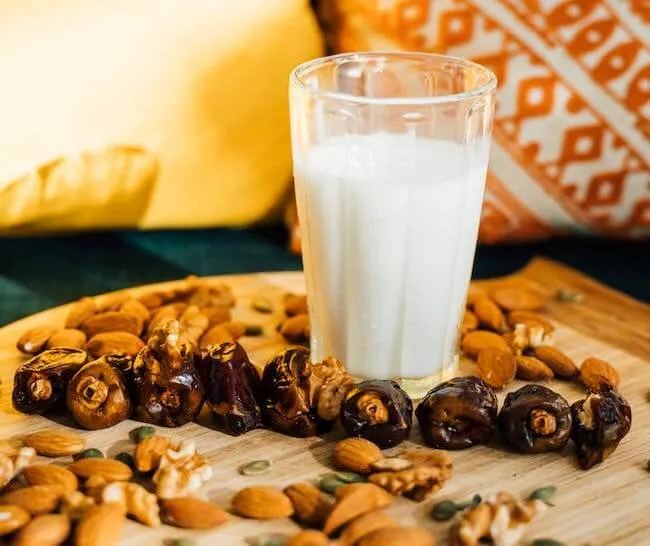
- Eat 20 to 30 different plant foods per week. The American Gut Project, studying over 11,000 people, found that those eating 30 or more different plants weekly had significantly more diverse microbiomes than those eating fewer than 10.⁷ Herbs, spices, nuts, seeds, whole grains, legumes, fruits, and vegetables all count.
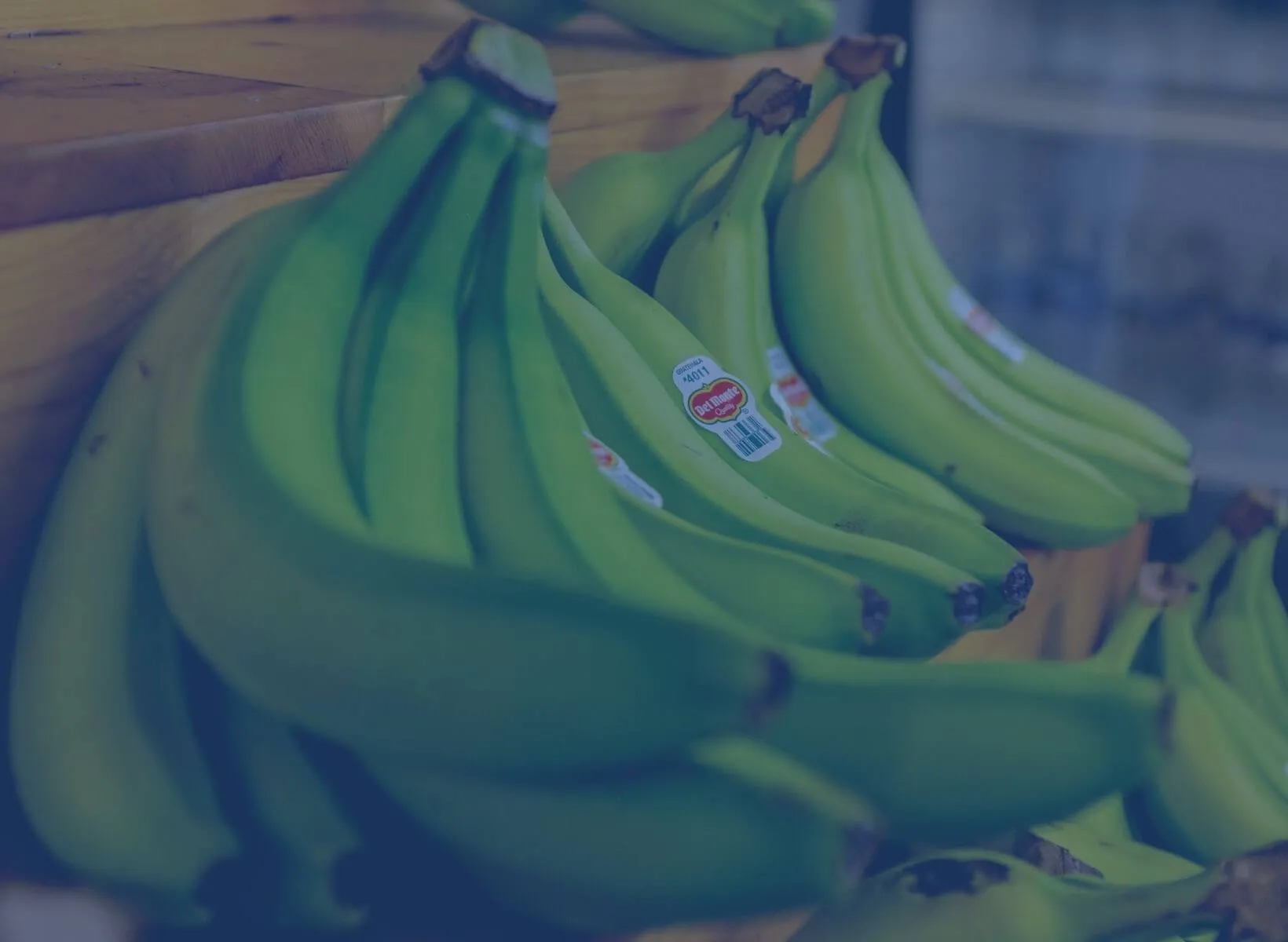
- Prioritize resistant starches. Cooked and cooled potatoes, green bananas, oats, and legumes feed SCFA (short chain fatty acid) producing bacteria directly. Including them consistently gives your gut bacteria the raw material to produce the compounds that improve insulin sensitivity and reduce inflammation.²
- Add polyphenol-rich foods. Blueberries, pomegranate, olive oil, dark cacao, and green tea selectively feed beneficial bacteria including Akkermansia and Bifidobacterium. Higher polyphenol intake is consistently linked to improved microbial diversity and better metabolic markers.8
- Introduce fermented foods gradually. Kefir, kimchi, sauerkraut, unsweetened yogurt, and kombucha introduce live beneficial bacteria directly through the diet. A 2021 randomized controlled trial from Stanford, published in Cell, found that a high-fermented-food diet significantly increased microbiome diversity and reduced inflammatory markers compared to a high-fiber diet over the same period.9 Start with small amounts of fermented foods and increase gradually, as too much too quickly can cause temporary digestive discomfort.
- Walk after meals. A 10 to 15 minute walk within 30 minutes of eating reduces post-meal glucose spikes more effectively than the same walk taken before eating. Muscle contraction pulls glucose out of the bloodstream directly, reducing glycemic load and supporting metabolic stability. If you're seated at a desk or on a flight, seated calf raises have also been shown to improve glucose disposal while sitting.
- Prioritize protein first. Eating protein before carbohydrates blunts post-meal glucose spikes and extends satiety. Aim for 25 to 30 grams per meal, eating it at the start. This also reduces the blood sugar volatility that feeds dysbiosis over time.
- Protect sleep consistency. Even a single night of poor sleep meaningfully impairs next-day glucose regulation and reduces beneficial bacteria populations.¹⁰ Consistent sleep and wake times, even on weekends, is one of the most underutilized levers for both gut and metabolic health.
- Increase fiber gradually. Adding large amounts of fiber too quickly worsens bloating in people with gut sensitivity. Build toward a diverse, fiber-rich pattern over several weeks, paying attention to how your body responds.
What Your Blood Sugar Patterns Can Reveal About Your Gut Health
A continuous glucose monitor (CGM) doesn't measure your microbiome directly. But it can show you how your body is metabolically responding to the environment your microbiome is helping to create.
The same bowl of oatmeal can cause a dramatic spike in one person and barely register in another, based on differences in gut bacteria, enzyme activity, and metabolic signaling.
A CGM makes it visible. It shows which foods trigger large spikes and crashes in your specific body, how stress and sleep ripple into your glucose, and how the gut-supportive habits you're building translate into real metabolic improvement over time.
The gut-glucose connection runs in both directions. A healthier microbiome tends to produce more stable glucose. More stable glucose reduces the inflammatory signaling that disrupts the gut. And watching your glucose in real time is one of the clearest windows into how these two systems are working together.
Topics discussed in this article:
References
- Zeng, Q., Li, D., Huang, Y., et al. (2025). Role of Akkermansia muciniphila in insulin resistance. Journal of Gastroenterology and Hepatology, 40(1), 46–58. https://doi.org/10.1111/jgh.16747
- Pham, N. H. T., Joglekar, M. V., Wong, W. K. M., Nassif, N. T., Simpson, A. M., & Hardikar, A. A. (2024). Short-chain fatty acids and insulin sensitivity: a systematic review and meta-analysis. Nutrition Reviews, 82(2), 193–209. https://doi.org/10.1093/nutrit/nuad042
- Scheithauer, T. P. M., Dallinga-Thie, G. M., de Vos, W. M., Nieuwdorp, M., & van Raalte, D. H. (2020). Gut microbiota as a trigger for metabolic inflammation in obesity and type 2 diabetes. Frontiers in Immunology, 11, 571731. https://doi.org/10.3389/fimmu.2020.571731
- Thaiss, C. A., Levy, M., Grosheva, I., et al. (2022). Hyperglycemia drives intestinal barrier dysfunction and risk for enteric infection. EBioMedicine, 25, 186–194. https://doi.org/10.1016/j.ebiom.2017.09.022
- de Wouters d'Oplinter, A., Huwart, S. J. P., Cani, P. D., & Everard, A. (2022). Gut microbes and food reward: from the gut to the brain. Frontiers in Neuroscience, 16, 947240. https://doi.org/10.3389/fnins.2022.947240
- Gabanyi, I., Lepousez, G., Wheeler, R., et al. (2022). Bacterial sensing via neuronal Nod2 regulates appetite and body temperature. Science, 376(6590), eabj3986. https://doi.org/10.1126/science.abj3986
- McDonald, D., Hyde, E., Debelius, J. W., et al. (2018). American Gut: an open platform for citizen science microbiome research. mSystems, 3(3), e00031-18. https://doi.org/10.1128/mSystems.00031-18
- Portincasa, P., Bonfrate, L., Vacca, M., et al. (2022). Gut microbiota and short chain fatty acids: implications in glucose homeostasis. International Journal of Molecular Sciences, 23(3), 1105. https://doi.org/10.3390/ijms23031105
- Rodríguez-Daza, M. C., & de Vos, W. M. (2022). Polyphenols as drivers of a homeostatic gut microecology and immuno-metabolic traits of Akkermansia muciniphila: from mouse to man. International Journal of Molecular Sciences, 24(1), 45. https://doi.org/10.3390/ijms24010045
- Stenvers, D. J., Scheer, F. A. J. L., Schrauwen, P., la Fleur, S. E., & Kalsbeek, A. (2019). Circadian clocks and insulin resistance. Nature Reviews Endocrinology, 15(2), 75–89. https://doi.org/10.1038/s41574-018-0122-1

.svg)






.jpg)