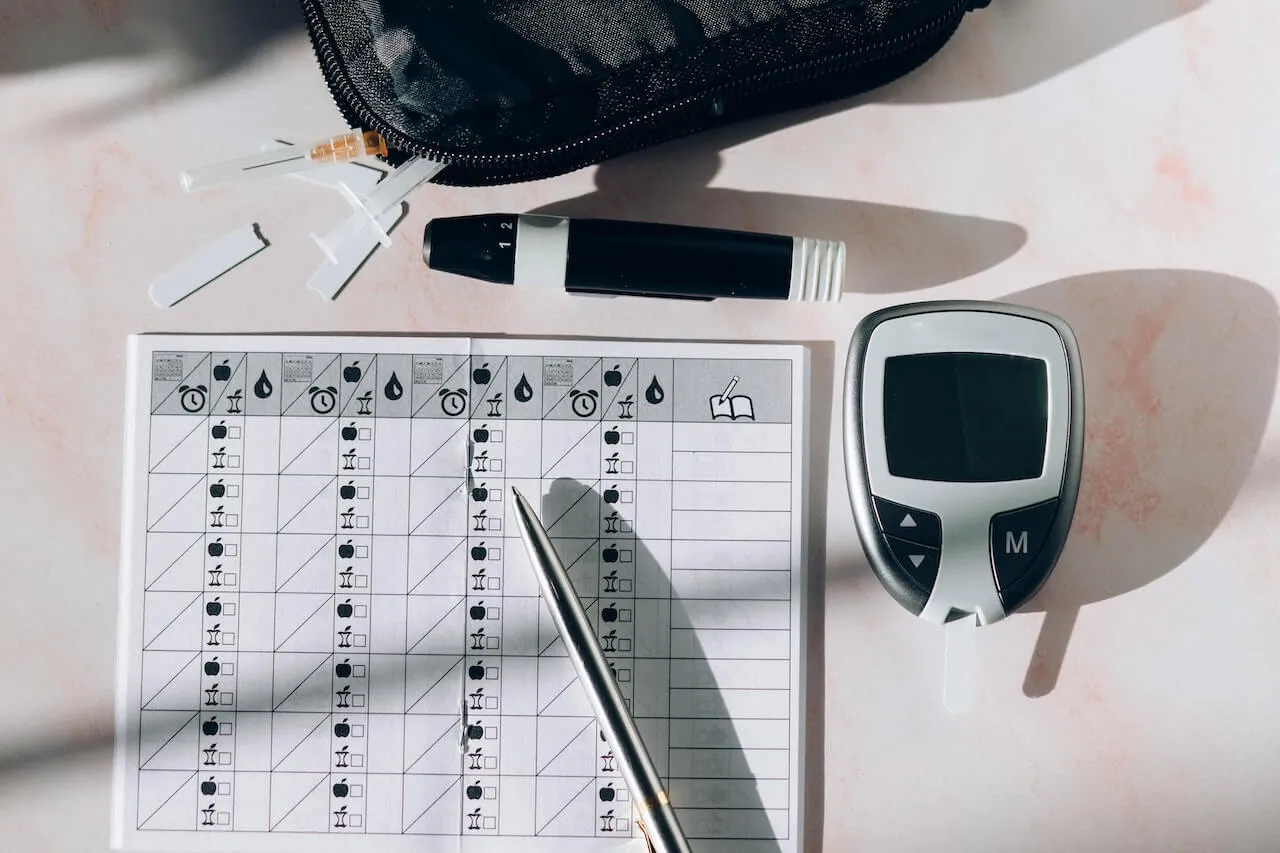


Your hormones might not be the problem. They might just be responding to one.
Most conversations about hormonal health start with the hormones: estrogen, progesterone, testosterone, cortisol. But hormones don't operate in isolation. They respond to each other, and they respond to what's happening in your body moment to moment. And one of the most powerful upstream signals influencing all of them? What your blood sugar is doing right now.
Your Hormones Don't Work Alone
The endocrine system (your body's network of hormones) functions more like a web than a set of independent dials. Pull one thread, and the rest move with it. Blood sugar regulation sits near the center of that web.
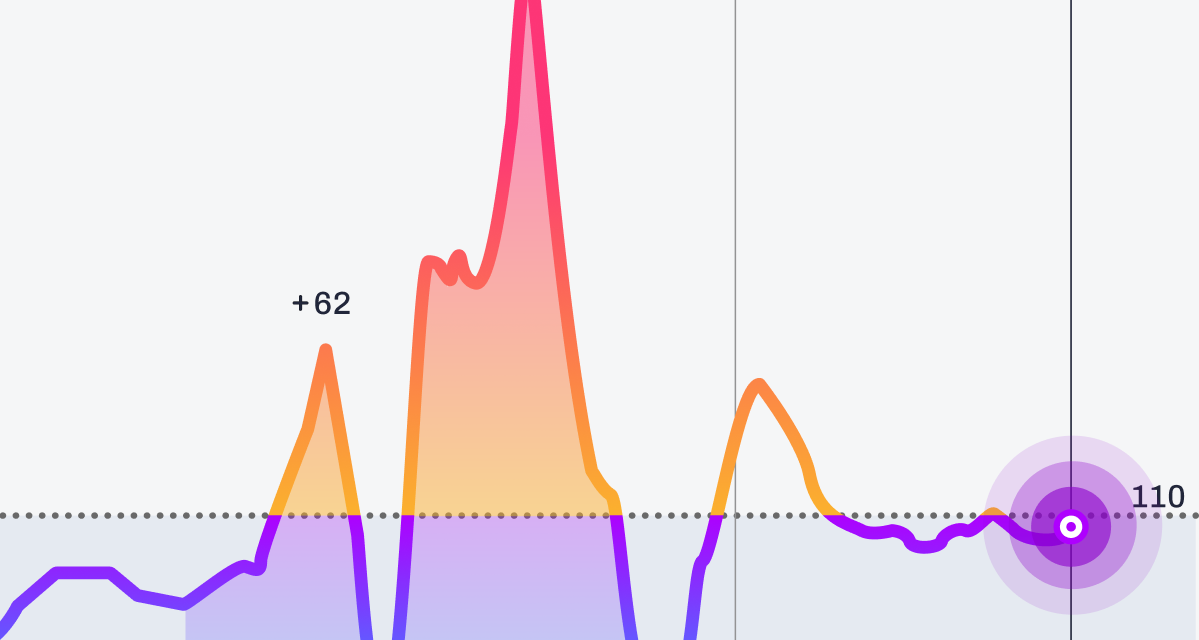
Every time your glucose rises, your pancreas releases insulin to bring it back down. Every time it crashes, your adrenal glands release cortisol and adrenaline to bring it back up. These are not isolated events. They send signals throughout your entire hormonal system, influencing your sex hormones, your thyroid, your hunger and stress responses, and your ability to build and hold onto muscle.
When blood sugar is stable, that signaling stays steady. When it's not (ie, when glucose is spiking and crashing throughout the day), the disruption ripples outward. And the symptoms that follow often don't look like a blood sugar problem at all.
These "Hormone Symptoms" Might Actually Be Blood Sugar Signals
Here's what makes this easy to miss: the symptoms of glucose instability and the symptoms of hormonal imbalance are nearly identical.
- Fatigue that doesn't improve with rest
- Mood shifts that seem to come out of nowhere
- Brain fog
- Irritability
- Poor sleep
- Difficulty losing weight despite doing everything right
- Cravings for sugar or carbs in the afternoon
- Waking up at 3am for no apparent reason
These are the things people bring to their doctors when they suspect a hormonal issue. They're also what happens when blood sugar is regularly spiking and crashing, and the body is spending enormous energy trying to compensate. The overlap is not a coincidence. Often, they're the same thing.
Insulin: The Hormone That Sets the Tone for All the Others
Insulin is most commonly understood as the hormone that manages blood sugar. But its influence extends much further than that.
Chronically elevated insulin (the result of frequent glucose spikes over time) signals the body to produce more androgens (male sex hormones like testosterone). In women, this drives many of the most recognizable symptoms of PCOS: acne, excess hair growth, irregular cycles, and difficulty ovulating.
It also disrupts the production of sex hormone-binding globulin (SHBG), a protein that regulates how much free testosterone is circulating in the body. While too much testosterone is a negative for women, adequate levels are still needed for building muscle, supporting bone health, regulating mood and libido, and more. Balance when it comes to testosterone for women, and all hormones in general, is the key.
In men, the relationship runs in the other direction. Research published in Diabetes Care found that men with low testosterone levels were twice as insulin resistant as those with normal levels, and that testosterone levels were positively correlated with insulin sensitivity¹ The two hormones regulate each other, which means when one falls, the other tends to rise, and vice versa.
Insulin is often the first domino in the hormonal cascade. And blood sugar is what tips it.
Blood Sugar and Cortisol: The Stress Loop Most People Don't Know They're In
When blood sugar crashes, after a glucose spike, after skipping a meal, or after a stressful afternoon), your body responds as if it's under threat. Hormones like glucagon, cortisol, and adrenaline are released from the pancreas and your adrenal glands to help bring blood sugar back up and restore energy availability. This is a survival mechanism, and it works exactly as intended.
The problem is when it happens repeatedly. Cortisol tells the liver to release stored glucose, which reduces your cell’s ability to respond to insulin, and blunts leptin (the hormone that signals fullness). The result is a cycle: spike, crash, cortisol surge, more cravings, another spike. And cortisol's downstream effects extend well beyond hunger.
Chronic cortisol elevation suppresses reproductive hormones, interferes with thyroid signaling, promotes fat storage (particularly around the abdomen), and disrupts sleep. Research from StatPearls confirms that sustained cortisol elevation diminishes insulin production and promotes the kind of cellular insulin resistance that makes blood sugar even harder to regulate over time.² The stress response, meant to be short-term, becomes a persistent metabolic drain.
What This Looks Like for PCOS (now PMOS)
PCOS (now called PMOS: Polyendocrine Metabolic Ovarian Syndrome) is one of the clearest examples of how profoundly blood sugar shapes hormonal health. Around 50–70% of women with PMOS have insulin resistance. Meaning, their cells don't respond efficiently to insulin, so the body compensates by producing more of it.³ That excess insulin drives the elevated androgen levels that cause so many of the condition's hallmark symptoms: irregular periods, weight gain, ovarian cysts, acne, and hair thinning or excess hair growth in unwanted places.
The weight component deserves specific attention. When insulin is chronically elevated, the body preferentially stores fat in the abdomen, known as visceral fat, which releases inflammatory compounds that further worsen insulin resistance and stimulate more androgen production. It becomes a self-reinforcing loop.
But the research on reversing it is encouraging. A 2024 meta-analysis found that weight loss interventions increased menstrual frequency in women with PCOS by 3x additional cycles/year.⁴ Studies show that a reduction of just 5 to 10% of body weight can meaningfully lower insulin resistance, reduce androgens, and restore regular cycles.⁵
This is why PMOS isn't just a reproductive condition. It's fundamentally a metabolic one. Hence the recent name shift from PCOS (Polycystic Ovary Syndrome) to PMOS. And it's why approaches that target blood sugar (through aspects like nutrition, resistance training, and stress management) often produce meaningful improvements in hormonal symptoms, even without medication.
What This Looks Like in Midlife: For Women and Men
Hormonal shifts in midlife don't just happen in women. They happen in men too. They just look different, yet both converge on the same metabolic vulnerability.
For women in perimenopause and menopause:
Estrogen plays an active role in regulating insulin sensitivity. As estrogen fluctuates during perimenopause and then declines after menopause, that protection erodes. Research published in The American Journal of Pathology found that premenopausal women are significantly more protected from insulin resistance than men of the same age and that this protection diminishes sharply with the onset of menopause.⁶ The result, for many women, is that blood sugar becomes harder to manage at the exact same time that other hormonal symptoms are intensifying: weight gain (especially in the midsection), disrupted sleep, mood changes, and energy crashes that weren't there before.
For men experiencing declining testosterone:
Testosterone levels in men decline gradually with age and the relationship between testosterone and blood sugar is bidirectional. Lower testosterone reduces insulin sensitivity, which raises the risk of blood sugar instability. And higher insulin resistance, in turn, suppresses testosterone production further. Research involving over 16,700 men found that those with higher total testosterone had a 35% lower risk of developing type 2 diabetes than those with lower levels.⁷ Low energy, weight gain, reduced muscle mass, and mood changes, the classic signs of declining testosterone, are also, notably, the classic signs of metabolic dysfunction.
The shared pattern: Different hormones, same outcome. Reduced insulin sensitivity, more variable blood sugar, greater metabolic strain. Midlife isn't just a hormonal shift, it's a metabolic turning point. And blood sugar is one of the most powerful levers you can actually influence.
The Thyroid Connection
Thyroid hormones play a critical role in glucose metabolism, and the relationship runs both ways. Insulin resistance can impair thyroid signaling, and disrupted thyroid function can worsen insulin resistance. Research published in the Journal of Thyroid Research found that both excess and deficiency of thyroid hormones break the equilibrium needed for normal glucose metabolism.⁸
For people who feel like their metabolism has slowed down (who are eating well, exercising, and still experiencing fatigue, sluggishness, and difficulty losing weight), this connection is worth understanding. Blood sugar instability puts stress on the thyroid. A stressed thyroid makes blood sugar harder to manage. The two systems reinforce each other, in both directions.
Why "Doing Everything Right" Isn't Always Enough
Here's the frustrating part: you can be eating clean, exercising regularly, and sleeping 7+ hours a night and still have unstable blood sugar. That's not a failure of discipline. It's often a function of hidden triggers that most people never connect to their hormonal symptoms.
Skipping meals raises cortisol and destabilizes glucose. Chronic over-exercising without adequate fuel does the same. High-carbohydrate meals eaten without protein or fat cause rapid glucose spikes and crashes. Ongoing psychological stress keeps cortisol elevated, which then keeps blood sugar elevated, which then keeps insulin elevated. And the cycle continues quietly, long before it shows up in lab work.
This is why addressing symptoms at the hormone level, without addressing blood sugar, often produces limited results. The downstream effects keep returning because the upstream trigger hasn't changed.
9 Ways to Support Your Hormones by Stabilizing Your Blood Sugar
The good news: blood sugar is responsive to lifestyle changes, and often quickly.
These are the interventions with the strongest evidence:
1. Prioritize protein and fat at every meal. Protein and fat slow the absorption of carbohydrates and blunt post-meal glucose spikes. Aim for at least 25-30g of protein per meal. Eat it first. Research shows that eating protein before carbohydrates meaningfully reduces the glucose response to that meal.
2. Strength train regularly. Muscle is the body's primary glucose disposal site. Every 10% increase in muscle mass is associated with an 11% reduction in insulin resistance.9 Resistance training 3-5x/week is one of the most effective interventions for improving insulin sensitivity and by extension, hormonal balance.
3. Walk after meals. A 10-15 minute walk within 30 minutes of eating has been shown to significantly reduce post-meal glucose spikes. Muscle contraction pulls glucose out of the bloodstream independently of insulin, no intense exercise required.
4. Manage stress with intention. Stress management isn't soft advice for people with hormonal imbalances, it's metabolic medicine. Research found that 12 weeks of yoga reduced fasting insulin by 23% and insulin resistance by 28% in women with PCOS.10 The cortisol-blood sugar loop is real, and interrupting it has measurable hormonal effects.
5. Protect your sleep. Even one night of poor sleep impairs glucose control the next day. For people already dealing with hormonal disruption, that impact compounds. Blackout curtains, consistent sleep and wake times, cutting off caffeine at 2pm, limiting screen exposure before bed are small changes with a meaningful metabolic payoff.
6. Avoid long gaps between meals. For most people, going extended periods without eating raises cortisol and can trigger the glucose crash-and-compensate cycle. Regular meals that include protein, fat, and fiber keep the system steadier throughout the day.
7. Front-load your calories earlier in the day. Insulin sensitivity is highest in the morning and declines throughout the day. Research found that eating more of your calories earlier was independently associated with higher insulin sensitivity, even when total intake was the same.¹¹ Shifting your largest meal from dinner to lunch is a low-effort change with meaningful hormonal payoff.
8. Consider myo-inositol if you have PCOS or irregular cycles. Myo-inositol is a naturally occurring compound that helps your cells respond to insulin. A 2023 meta-analysis found it improved insulin sensitivity, menstrual regularity, and androgen levels in women with PCOS, with better tolerability than metformin.¹²
9. Check your magnesium. Magnesium is involved in hundreds of reactions governing glucose metabolism and sex hormone production; and most adults are deficient. A study of 1,000 women with PCOS found that higher magnesium levels were associated with significantly lower insulin resistance and lower testosterone.¹³ For men, adequate magnesium has been shown to support healthy testosterone levels with age.¹⁴ Best food sources: pumpkin seeds, dark leafy greens, and almonds.
Topics discussed in this article:
References
- Grossmann, M., et al. (2010). Testosterone and insulin resistance in men: Evidence for a complex bi-directional relationship. Diabetes Care, 28(7), 1636–1641. https://doi.org/10.2337/diacare.28.7.1636
- Yasir, M., Mechanic, O. J. (2025). Physiology, Cortisol. StatPearls. https://www.ncbi.nlm.nih.gov/books/NBK538239/
- Cooney, L. G., et al. (2024). Weight loss interventions improve key features of PCOS: a systematic review and meta-analysis. [Presented findings via Medscape, November 2024 — recommend tracing to the primary published journal article for final citation formatting.]
- Lim, S. S., et al. (2019). Lifestyle changes in women with polycystic ovary syndrome. Cochrane Database of Systematic Reviews. https://doi.org/10.1002/14651858.CD007506.pub4
- Moghetti, P., & Tosi, F. (2021). Insulin resistance and PCOS: Chicken or egg? Journal of Endocrinological Investigation, 44(2), 233–244. https://doi.org/10.1007/s40618-020-01351-0
- Gancheva, S., et al. (2021). The role of estrogen in insulin resistance. The American Journal of Pathology, 191(9), 1490–1504. https://doi.org/10.1016/j.ajpath.2021.05.011
- Rao, P. M., et al. (2013). Testosterone and insulin resistance in the metabolic syndrome and T2DM in men. Nature Reviews Endocrinology, 9(8), 479–493.
- Brenta, G. (2011). Why can insulin resistance be a natural consequence of thyroid dysfunction? Journal of Thyroid Research, 2011, 152850. https://doi.org/10.4061/2011/152850
- Srikanthan, P., & Karlamangla, A. S. (2011). Relative muscle mass is inversely associated with insulin resistance and prediabetes. The Journal of Clinical Endocrinology & Metabolism, 96(9), 2898–2903.
- Nidhi, R., et al. (2012). Effect of a yoga program on glucose metabolism and blood lipid levels in adolescent girls with polycystic ovary syndrome. International Journal of Ayurveda Research, 3(1), 26–30.
- Jakubowicz, D., et al. (2013). Association between timing of energy intake and insulin sensitivity: a cross-sectional study. Obesity, 21(12), 2504–2507. https://doi.org/10.1002/oby.20460
- Greff, D., Juhász, A. E., Váncsa, S., et al. (2023). Inositol is an effective and safe treatment in polycystic ovary syndrome: a systematic review and meta-analysis of randomized controlled trials. Reproductive Biology and Endocrinology, 21(1), 10. https://doi.org/10.1186/s12958-023-01055-z
- Luo, X., Cai, W. Y., Ma, H. L., et al. (2021). Associations of serum magnesium with insulin resistance and testosterone in women with polycystic ovary syndrome. Frontiers in Endocrinology, 12, 683040. https://doi.org/10.3389/fendo.2021.683040
- Maggio, M., et al. (2025). Magnesium: exploring gender differences in its health impact and dietary intake. Nutrients, 17(13), 2226. https://doi.org/10.3390/nu17132226

.svg)



.png)

.jpg)