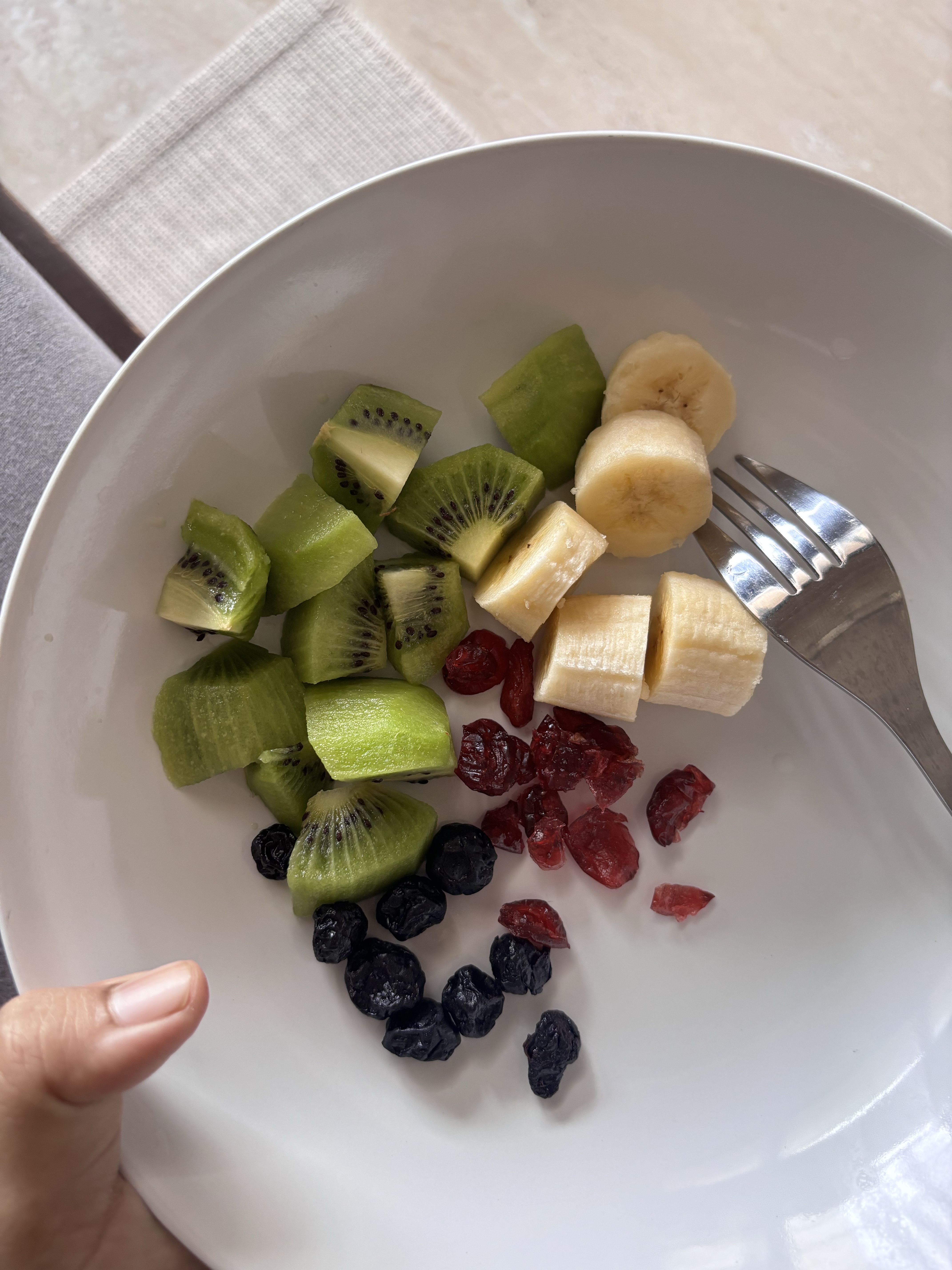

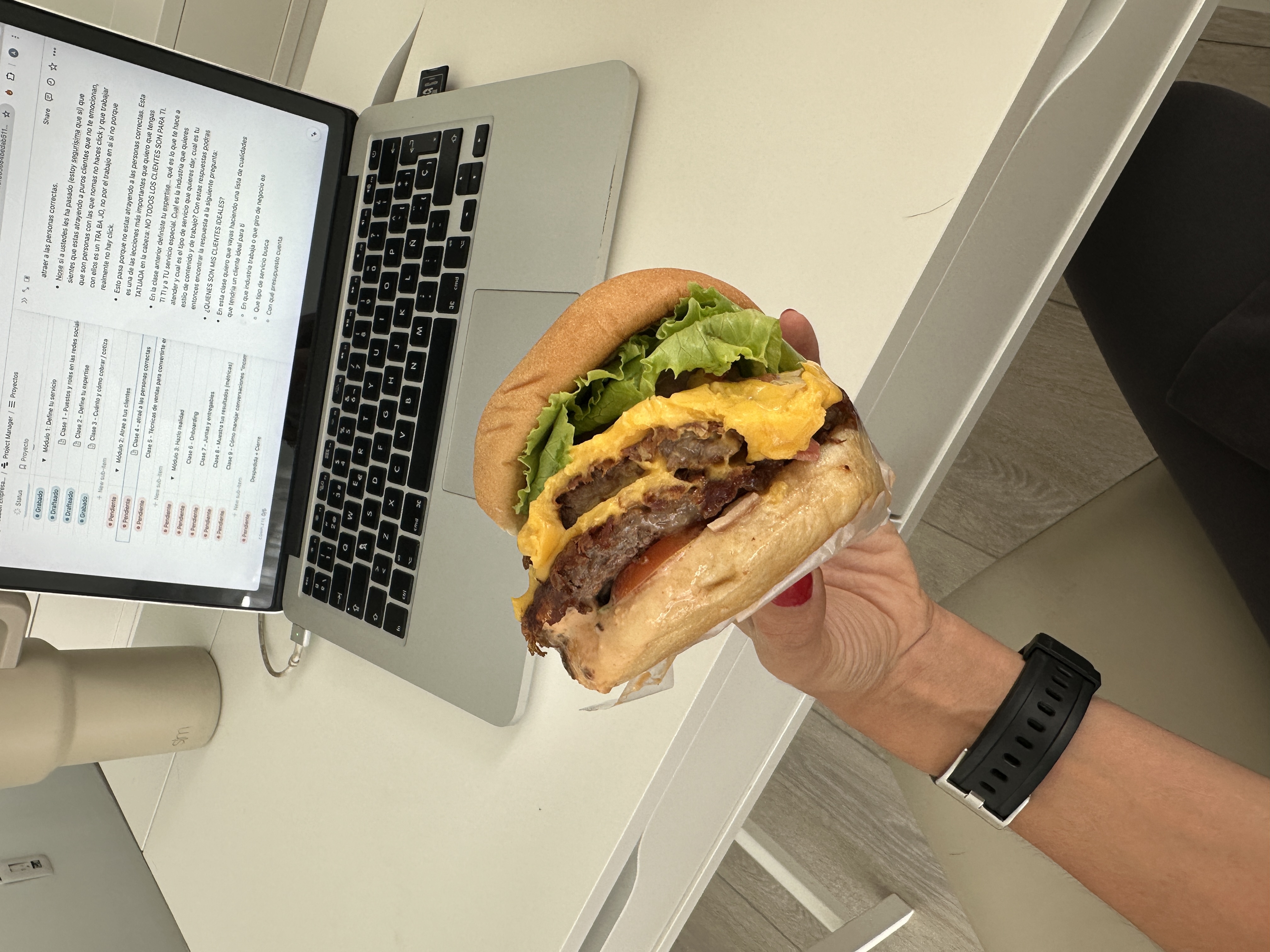
You skip lunch. A few hours later, your patience is gone, your focus is shot, and every tiny inconvenience suddenly feels ten times more irritating. Then you eat, and somehow, you feel like yourself again.
Being hangry sounds like a joke. The biology behind it isn't.
Hunger can influence mood, attention, stress hormones, and the way your brain interprets what's happening around you. What we casually call “hanger” can involve an interplay between energy availability, appetite hormones, the stress response, the nervous system, sleep, and the environment you happen to be in when hunger hits.
What Does "Hangry" Mean, and Is Being Hangry Actually Real?
Hangry describes the irritability, anger, or negative mood some people experience when they're hungry. The word combines hungry and angry. But the underlying phenomenon is considerably more interesting than the slang.
A 2022 experience sampling study published in PLOS ONE tracked 64 participants over 21 days, collecting over 9,000 daily responses. Greater hunger was consistently associated with greater feelings of anger and irritability, and lower feelings of pleasure, remaining significant after controlling for age, sex, BMI, dietary behaviors, and trait anger. Hunger explained approximately 56% of the variance in irritability across participants.¹
One important nuance: hunger doesn't simply flip an anger switch. Hunger while relaxing on a Sunday afternoon tends to feel like a mild nudge toward the kitchen. Hunger while stuck in traffic, behind on a deadline, or already stressed tends to feel dramatically more unpleasant. Hanger emerges from the interaction between metabolic signals, your brain, and your environment.
Why Does Being Hungry Make You Angry or Irritable?
Your brain is constantly monitoring your body's energy status.
As time passes after a meal, several signals begin shifting. Ghrelin (a hormone produced in the stomach that signals the hypothalamus, the brain's primary control center for hunger and energy balance, that it's time to eat) begins to rise.² Leptin and other satiety signals decline. The brain integrates all of this to answer a fundamental question: do we have enough available energy, or should finding food become a higher priority?
As the answer tips toward the latter, food becomes more attention-grabbing, concentration may become harder, patience tends to decrease, and negative emotions can feel more intense. This makes biological sense. If prolonged energy deprivation felt completely neutral, there would be little urgency to address it. The discomfort is the signal.
Does Low Blood Sugar Make You Hangry?
Sometimes, but hanger is not the same thing as hypoglycemia (clinically low blood glucose).
Between meals, the body has several mechanisms designed to prevent glucose from dropping too low. The liver can release stored glucose while counter-regulatory hormones mobilize energy as needed. Most metabolically healthy people can go several hours without eating without developing clinical hypoglycemia.
Feeling hungry is not proof of low blood sugar. Someone can feel hungry, irritable, shaky, and distracted without having clinically low glucose. Some people may experience more rapid glucose declines after certain meals, and those declines can sometimes coincide with hunger and mood changes. But symptoms alone cannot tell you what is happening metabolically.
Blood sugar may be one piece of the hanger picture, but hunger and irritability alone do not mean your blood sugar is dangerously low.
What Happens in Your Brain and Body When You Get Hangry?
Declining energy availability is detected. Ghrelin and other appetite signals communicate with the hypothalamus, which regulates hunger, energy balance, hormonal signaling, and the stress response.
The body works to protect blood glucose. Glucagon signals the liver to release stored glucose. Adrenaline helps rapidly mobilize energy. Cortisol supports energy availability during longer fasting or stress.
Those same systems affect how you feel. Adrenaline and sympathetic nervous system activation can contribute to jitteriness, tension, heightened alertness, and irritability. Useful in a genuine emergency. Less welcome during a workday.
Your environment shapes the experience. Hungry while sitting quietly, you may simply think: lunch sounds good. Hungry while managing a stressful conversation, a difficult commute, or a poor night of sleep, those same internal signals may feel dramatically more unpleasant. The physiology is the same. The interpretation differs.
Hanger isn't caused by one hormone or one glucose reading. It's the interaction between energy availability, appetite signaling, stress physiology, the nervous system, and your environment.
Why Do Some People Get Hangrier Than Others?
Several factors may help explain why the same missed meal hits very differently from person to person.
Meal composition. A meal dominated by rapidly digested carbohydrates influences satiety and subsequent glucose patterns differently than one built around protein, fiber, fat, and more slowly digested carbohydrates. What you eat for lunch may have more to do with how you feel at 4pm than the hour itself.
Sleep. Sleep can meaningfully influence how much you eat. In a randomized clinical trial of 80 habitual short sleepers, participants who extended their sleep by about 1.2 hours per night consumed approximately 270 fewer calories per day than the control group, without being instructed to change their diet or exercise habits.³ A separate randomized crossover study found that even one night of modest sleep curtailment increased hunger and food cravings in women and led to greater chocolate consumption and larger selected food portions.⁴
Sex and hormonal status. During the luteal phase, progesterone rises and basal metabolic rate increases, which may drive greater appetite to compensate. Ghrelin and appetite-stimulating signals tend to be elevated in this phase, meaning hunger may feel more intense at predictable points in the cycle for reasons unrelated to diet, although subjective appetite findings have varied.⁵ A 2025 systematic review also found preliminary evidence that sleep restriction may affect appetite-regulating hormones differently in women than in men.⁶
Stress, gut health, and individual glucose patterns. Elevated cortisol can amplify hunger on top of an already heightened physiological state. Emerging research suggests gut microbiome composition may influence appetite hormone signaling through the gut-brain axis, offering one explanation for why two people on similar diets experience hunger very differently. And individual glucose responses to the same foods vary meaningfully, making personal pattern-tracking more useful than any general guideline.
How you experience hunger depends on far more than how many hours have passed since your last meal.
Can Blood Sugar Crashes Cause Mood Swings?
In some people, blood glucose can drop more substantially after eating, a pattern sometimes called reactive hypoglycemia. This is different from the normal glucose decline that occurs as the body processes a meal.
When blood glucose becomes genuinely low, the brain, which relies heavily on glucose and has extremely high energy demands, may produce symptoms including irritability, difficulty concentrating, weakness, shakiness, and sweating.
That said, not every mood swing, afternoon crash, craving, or irritable moment is caused by low glucose. Symptoms alone cannot tell you what is happening metabolically. Glucose and mood are connected, but a blood sugar crash shouldn't become a catch-all explanation for every change in energy or mood.
How to Prevent Getting Hangry and Keep Your Energy Stable
Build meals around protein. Protein generally supports satiety and may extend how long a meal keeps you satisfied. Eggs, Greek yogurt, chicken, fish, cottage cheese, tofu, and legumes are reliable options.
Pair carbohydrates with protein, fiber, and fat. A banana alone digests quickly. A banana with Greek yogurt or almond butter tends to stay with you longer. The pairing changes digestion, satiety, and the glucose response.
Look at the meal before the hanger happens. If you're ravenous every day at 3pm, ask what lunch looked like. Was there enough protein? Enough fiber? Enough total energy? Afternoon hanger is often useful feedback about the meal that came several hours earlier.
Don't assume longer fasting is automatically better. If routinely going six or more hours between meals leaves you distracted, irritable, ravenous, and overeating later, that pattern may not work well for your physiology or goals.
Protect your sleep. If hunger suddenly becomes much harder to manage and nothing in your diet has changed, a few nights of poor sleep may be the more relevant variable.
Learn your individual patterns. Which breakfasts keep you satisfied? Which meals leave you hungry two hours later? How does sleep or exercise change your hunger? A CGM can make these patterns visible in real time, showing how different meals affect your glucose and energy in the hours that follow, so you can build a picture specific to your biology rather than relying on averages.
Topics discussed in this article:
References
- Swami, V., Hochstöger, S., Kargl, E., & Stieger, S. (2022). Hangry in the field: An experience sampling study on the impact of hunger on anger, irritability, and affect. PLOS ONE, 17(7), e0269629. https://doi.org/10.1371/journal.pone.0269629
- Anderson, K. C., Hasan, F., Grammer, E. E., & Kranz, S. (2023). Endogenous ghrelin levels and perception of hunger: a systematic review and meta-analysis. Advances in Nutrition, 14(5), 1226–1236. https://doi.org/10.1016/j.advnut.2023.07.011
- Tasali, E., Wroblewski, K., Kahn, E., et al. (2022). Effect of sleep extension on objectively assessed energy intake among adults with overweight in real-life settings: A randomized clinical trial. JAMA Internal Medicine, 182(4), 365–374. DOI: 10.1001/jamainternmed.2021.8098
- Yang, C.-L., Schnepp, J., & Tucker, R. M. (2019). Increased hunger, food cravings, food reward, and portion size selection after sleep curtailment in women without obesity. Nutrients, 11(3), 663. https://doi.org/10.3390/nu11030663
- Moniz, S. C., McCarthy, S. F., Broad, A. A., & Hazell, T. J. (2023). The exercise-induced suppression of acylated ghrelin is blunted in the luteal phase of the menstrual cycle compared to the follicular phase following vigorous-intensity exercise. Appetite, 182, 106425. https://doi.org/10.1016/j.appet.2022.106425
- Alfikany, M., Sakhr, K., Kremers, S., et al. (2025). The role of sex in the impact of sleep restriction on appetite- and weight-regulating hormones in healthy adults: A systematic review of human studies. Clocks & Sleep, 7(3), 39. https://doi.org/10.3390/clockssleep7030039

.svg)


.jpeg)

.jpeg)