

Everyone is talking about GLP-1s, and for good reason. In the span of 5 years, a class of drugs originally developed for type 2 diabetes has done something no weight-loss intervention has ever done before: it's helped roughly 10 million Americans lose weight. For a lot of people, it's been the first time losing weight has actually felt doable.
But the question most of us eventually run into isn't whether these medications work. It's what happens when you stop. A study of more than 125,000 patients found that 52% of people discontinue within a year before reaching clinically significant weight loss (72% do so within 2 years), often due to cost, insurance, or side effects.1 For the majority of people who start one of these medications, staying on it long-term isn't realistic.
So the real question becomes: when the prescription ends, does progress end with it?The answer depends on how much you understand about what these medications are actually doing in the body, and more importantly, what they’re not doing.
Here's the science behind GLP-1s, why weight regain happens, and ways to maintain your results long after you stop taking the medication.
GLP-1 is A Hormone Your Body Already Makes
Every time you eat, specialized cells in your small intestine called L-cells release a hormone called glucagon-like peptide-1, or GLP-1. It has a few jobs. It tells your pancreas to release insulin, which helps pull glucose out of your bloodstream and put it to use for cellular energy. It also slows digestion, so food stays in your stomach longer, helping you feel full longer.
Your body's natural GLP-1 breaks down within about two minutes, which is why it's often not enough to quiet constant cravings on its own. In the 1990s, researchers isolated a peptide that resembled GLP-1 but lasted longer and they found it in a rather unexpected place: the saliva of the Gila monster, a venomous desert lizard. This discovery became the foundation for semaglutide and tirzepatide, where a single weekly injection of these synthetic GLP-1s can stay in your body for weeks.
GLP-1s & Your Brain
Most people assume GLP-1s act mainly on the stomach, showing up as slower digestion, smaller portions, and feeling fuller faster. While that’s certainly part of it, GLP-1s also act on the brain.
That’s because GLP-1 receptors are scattered across several regions of the brain. They're in the hypothalamus, which controls hunger and energy balance. They're in the brainstem, which relays satiety signals from your gut. And they're also in the mesolimbic reward system, which includes the ventral tegmental area and the nucleus accumbens2. AKA your dopamine circuitry, your motivation, learning, and reward loop. Dopamine is your brain’s signal to “go get it again.” It’s the wiring that responds to things like sugar, alcohol, nicotine, food, sex, social connection, achievement, etc. that make you feel good.
When researchers put people on a GLP-1 and scanned their brains with an MRI, the activity in those reward regions dropped significantly when participants were shown pictures of food.3 When they blocked the GLP-1 receptor, the effect disappeared. So the drug isn't just making people feel fuller. It's also muting their brain's response to food.
And this is part of the reason for its success, since around 60% of people with obesity report "food noise", or the constant, low-grade mental preoccupation with food.4 GLP-1 medications turn that volume down significantly. Usually within a few weeks, but sometimes within days. That's why these medications are also being studied for addiction, binge eating, and other reward-centric conditions.
Here's What GLP-1s Are Not Doing
They're not fixing your metabolism. They're not permanently recalibrating your set weight point. They're not training your body to handle food differently on its own. And they aren’t replacing lifestyle changes. They are temporarily suppressing hunger signals, which brings us to what happens when someone comes off GLP-1s.
Why Weight Regain Happens After A GLP-1
When you stop a GLP-1, 3 things tend to happen at once:
Hunger comes back. The appetite-suppressing signals that reduce food noise and fullness wear off. Food noise comes back. Appetite ramps up. Some people report that their appetite and hunger are even more intense after taking GLP-1s.
Your metabolism may be running slower. This is true of any kind of weight loss, not just GLP-1s. When you lose weight, your resting metabolic rate (how many calories you burn at rest) drops. This is compounded by the fact that up to 40% of weight loss on GLP-1s can come from lean mass (eg, muscle, organs), which is metabolically active tissue, so you’re now burning fewer calories at rest.5 This can make it harder to maintain your results over time.
Emotional and psychological factors come into play. It’s easier to eat less when you don’t feel hungry or when food isn’t preoccupying your waking hours. But when appetite and food noise returns, some people struggle with regulating themselves, managing social pressures around food, and emotional eating once more. Recognizing these patterns right away and already having helpful strategies to manage them after GLP-1s can go a long way to preventing overeating.
One trial found that people regained about 2/3 of the weight they had lost within a year of stopping semaglutide.6 Another trial showed roughly 50% regain with tirzepatide.7 They also found that people experienced greater weight regain after semaglutide compared to liraglutide.
How to Set Yourself Up to Keep the Weight Off
While weight regain might feel like an inevitability, the good news is that’s not entirely true. In fact, one study found that 55% of users actually keep the weight off one year after stopping.8 While the research on what separates the people who keep the weight off from people who don’t is still early, some trends are emerging. Here’s what they did differently.
#1 Protect your muscles from day one
This is the single most impactful thing you can do, and the one most people don't start until it's too late. Case studies have found that lean mass loss dropped from the typical 40% of total weight lost to under 18%, and in some cases reversed entirely, in patients who did two things9:
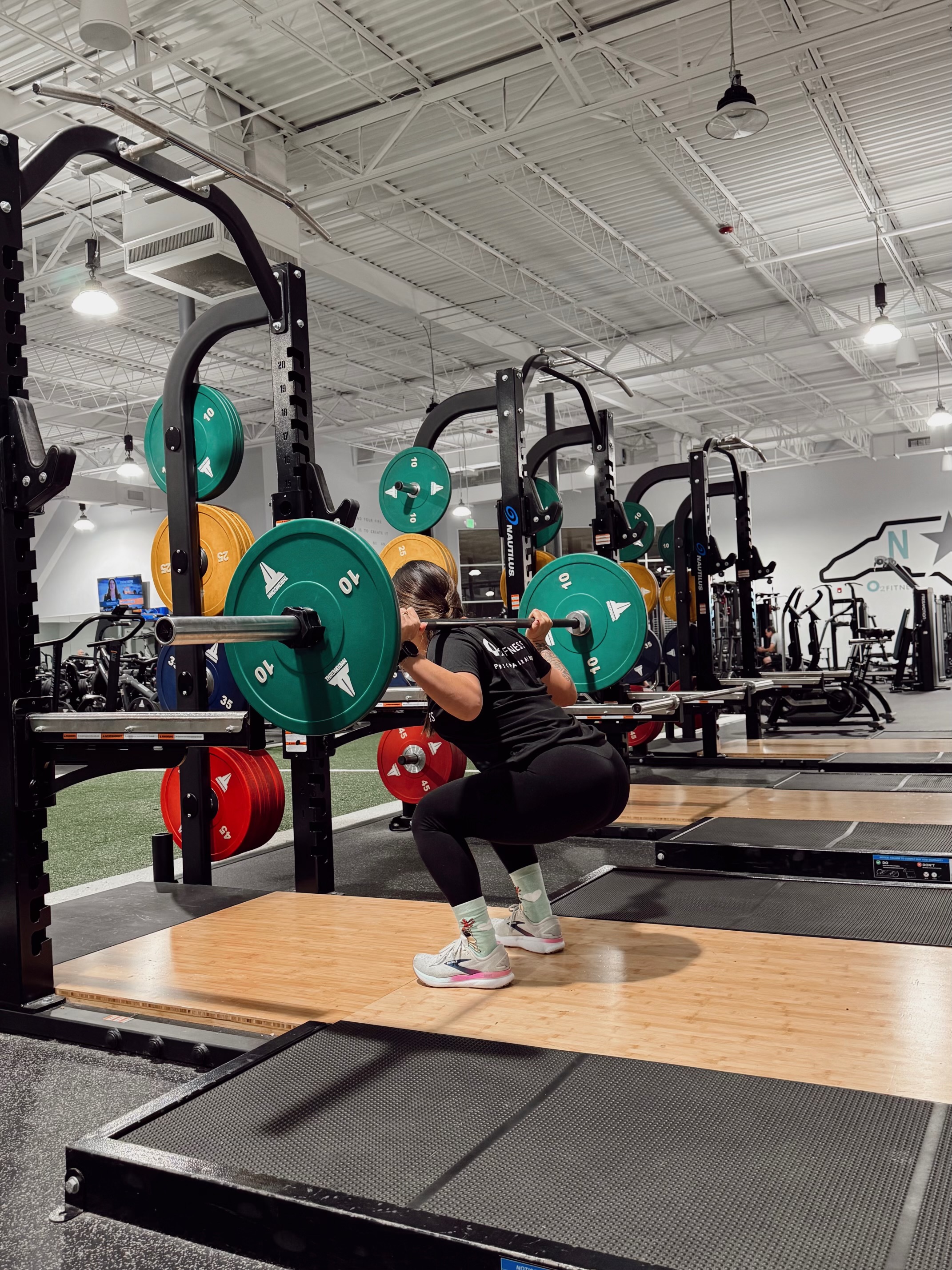
- Resistance training 3-5 times a week. That means strength training with compound lifts like squats, deadlifts, presses, rows, and pulls. Regular weight-bearing resistance is what will preserve muscle in a caloric deficit.
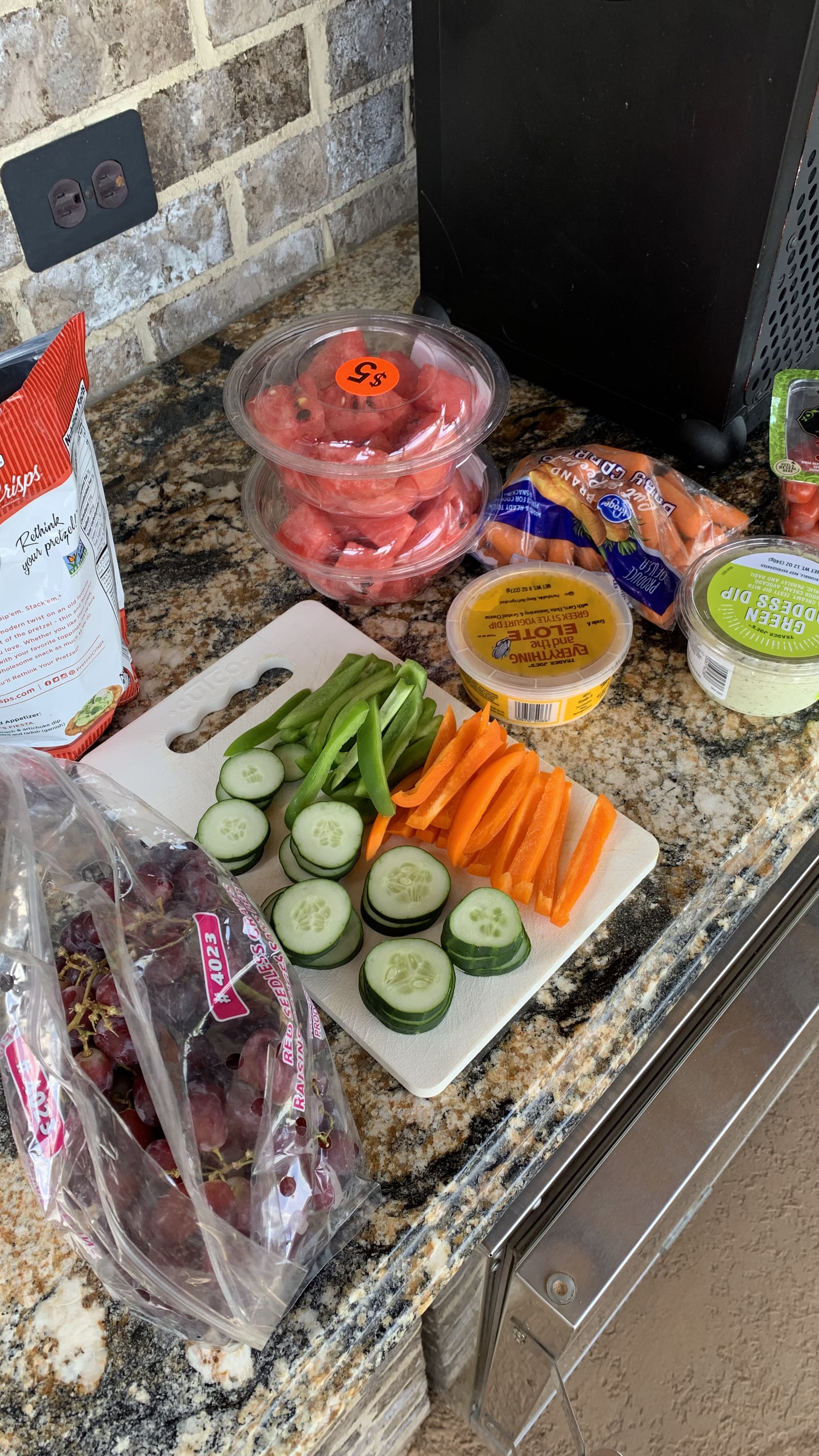
- Minimum 0.7g of protein per kg of body weight daily. For someone who weighs 160 lbs (about 73 kg), that's around 115g of protein a day. Spread across 3-4 meals, that’s about 25-35g of protein per meal. Our clinical team likes to recommend working your way up to 1g of protein/lb of body weight daily, especially for those who are entering a GLP-1 journey or coming off of one because of the satiating and metabolic effects of protein. Not only does it keep you full, but it requires the most energy for your body to digest, so by eating more protein, you’re naturally burning more calories.
Hitting your protein target is harder than it sounds on a GLP-1, because the medication suppresses appetite. You may not feel like eating much, and protein is filling. This is where people run into trouble. They eat too little overall, protein intake drops, and muscle goes with it.
One more thing worth knowing: muscle isn't just a metabolic asset. It's also an energy asset. Losing significant muscle is one of the big reasons people feel tired and depleted on GLP-1s. Protecting it protects your energy, not just your metabolism.
#2 Make sure you’re eating enough (even when you don't feel like it)
Reduced appetite is the whole point of a GLP-1, but there's a real version of this where appetite suppression tips into significant under-eating. Fatigue, low energy, mood shifts, hair thinning, and slow recovery from workouts are common signs. So is losing weight too quickly.
If you're on a GLP-1 and consistently eating under 1,200 calories a day without trying, that's a sign that the medication is doing more than you need it to, and you're likely losing muscle and depleting energy stores along with any fat. Talk to your provider about whether your dose needs adjusting. The FDA advises the lowest recommended starting dose and increasing only as tolerated, precisely to minimize side effects like these.10 Each situation is unique, so follow your provider's guidance on what's right for your body.
Every meal should prioritize protein and be nutrient-dense. Aim for smaller, more frequent meals rather than 3 larger ones if that makes it easier for you to hit your daily healthy intake. And don’t wait for hunger cues to eat. Set a schedule for meals, and if eating feels difficult, consider high-protein smoothies or shakes to help get your nutritional requirements met.
#3 Adopt lifestyle interventions now, not later
A randomized trial put people into four groups for a year after an initial weight loss: liraglutide alone, supervised exercise alone, both combined, or placebo.11 A year after all treatment ended, the exercise-alone group had regained 6kg less than the medication-alone group, proving that lifestyle interventions are key to maintaining results post-GLP-1s. The combination group had 7x the odds of maintaining 10% weight loss compared to placebo.
Regular exercise appears to increase your body's own post-meal GLP-1 response by about 25%, and the trial used roughly 150 minutes of moderate-to-vigorous activity per week (~30 minutes/day for 5 days/week). That's a realistic weekly target to build on top of your strength work.
#4 Taper, don't quit abruptly
Most standard protocols just have you stop your GLP-1 when you're done. However, research suggests that it may be the wrong move. One study found that those who gradually reduced their semaglutide dose to zero over about 9 weeks kept their weight loss 26 weeks after fully stopping.12 A typical taper might look like stepping down to the next-lowest dose for several weeks at a time, rather than dropping from your maintenance dose to nothing. Talk to your provider about what this could look like for you.
#5 Get to know your glucose
GLP-1s flatten post-meal glucose spikes. So when the medication stops, those spikes come back, and the crashes that follow are what drive the cravings, the afternoon slump, and the "I swear I just ate" hunger.
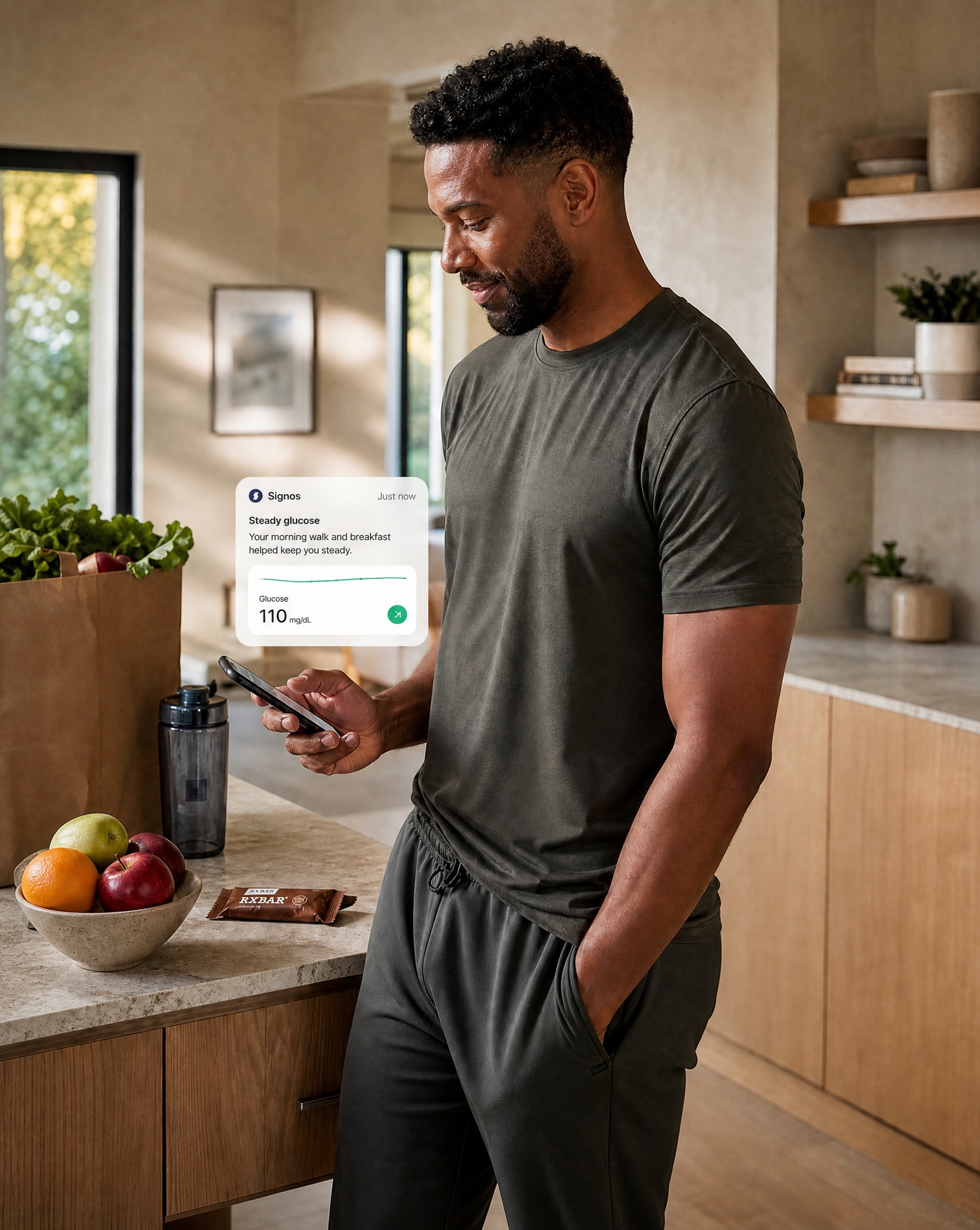
A continuous glucose monitor shows you, in real time, what spikes your glucose, and how factors like sleep, stress, and physical activity impact it. That's useful for anyone, but especially if you're tapering off a GLP-1. You can see exactly what foods (and what order of foods) cause spikes, so you can start adjusting what and how you eat before the cravings catch up with you. It’s a small habit with a real payoff.
Topics discussed in this article:
References
- Rodriguez PJ, Zhang V, Gratzl S, et al. Discontinuation and Reinitiation of Dual-Labeled GLP-1 Receptor Agonists Among US Adults With Overweight or Obesity. JAMA Netw Open. 2025;8(1):e2457349.
- Moreira Alves, G. A., Teranishi, M., Ortega, C. G., James, F., & Perera Molligoda Arachchige, A. S. (2025). Mechanisms of GLP-1 in Modulating Craving and Addiction: Neurobiological and Translational Insights. Medical Sciences, 13(3), 136.
- van Bloemendaal, L., IJzerman, R. G., Ten Kulve, J. S., Barkhof, F., Konrad, R. J., Drent, M. L., Veltman, D. J., & Diamant, M. (2014). GLP-1 receptor activation modulates appetite- and reward-related brain areas in humans. Diabetes, 63(12), 4186–4196.
- Choi, W., et al. (2025). Brain activity associated with breakthrough food preoccupation in an individual on tirzepatide. Nature Medicine, 31, 4038–4043.
- Linge, J., Birkenfeld, A. L., & Neeland, I. J. (2024). Muscle Mass and Glucagon-Like Peptide-1 Receptor Agonists: Adaptive or Maladaptive Response to Weight Loss? Circulation, 150(16), 1288–1298.
- H Wilding, J. P., Batterham, R. L., Davies, M., Van Gaal, L. F., Kandler, K., Konakli, K., Lingvay, I., McGowan, B. M., Oral, T. K., Rosenstock, J., Wadden, T. A., Wharton, S., Yokote, K., Kushner, R. F., & Group, S. (2022). Weight regain and cardiometabolic effects after withdrawal of semaglutide: The STEP 1 trial extension. Diabetes, Obesity & Metabolism, 24(8), 1553.
- Tzang, C. C., Wu, P. H., Luo, C. A., Chen, Z. T., Lee, Y. T., Huang, E. S., Kang, Y. F., Lin, W. C., Tzang, B. S., & Hsu, T. C. (2025). Metabolic rebound after GLP-1 receptor agonist discontinuation: a systematic review and meta-analysis. EClinicalMedicine, 90, 103680.
- Bartelt K, Mast C, Deckert J, Gracianette M, Joyce B. Many Patients Maintain Weight Loss a Year After Stopping Semaglutide and Liraglutide. Epic Research.
- Tinsley, G. M., & Nadolsky, S. (2025). Preservation of lean soft tissue during weight loss induced by GLP-1 and GLP-1/GIP receptor agonists: A case series. SAGE Open Medical Case Reports, 13, 2050313X251388724.
- Novo Nordisk. (2025). Wegovy (semaglutide) injection: Prescribing information. U.S. Food and Drug Administration. https://www.accessdata.fda.gov/drugsatfda_docs/label/2025/215256s024lbl.pdf
- Lundgren, J. R., Janus, C., Jensen, S. B. K., Juhl, C. R., Olsen, L. M., Christensen, R. M., Svane, M. S., Bandholm, T., Bojsen-Møller, K. N., Blond, M. B., Jensen, J. B., Stallknecht, B. M., Holst, J. J., Madsbad, S., & Torekov, S. S. (2021). Healthy Weight Loss Maintenance with Exercise, Liraglutide, or Both Combined. The New England journal of medicine, 384(18), 1719–1730.
European Association for the Study of Obesity. (2024, May 11). Is coming off semaglutide slowly the key to preventing weight regain? ECO 2024 Newsletter.

.svg)



.jpg)