
You go on vacation to enjoy yourself. To try the pasta in Italy. Order dessert at the restaurant everyone told you about. Have a cocktail by the pool. Eat the croissant from the bakery you walked 20 minutes to find.
But somewhere along the way, enjoying yourself can tip into an all-or-nothing spiral. It’s the “I've already blown it, I'll get back on track when I get home” thoughts that start to creep in.
The problem isn't one dinner. It's that one indulgence can turn into an entire week of disconnected eating, poor sleep, dehydration, and glucose crashes that leave you feeling worse as the trip goes on. You don't need more food rules for vacation. You need a few strategies that give you more flexibility, not less.
Can Vacation Cause Weight Gain or Higher Blood Sugar?
The metabolic impact of vacation is rarely one indulgent meal. It's usually several changes stacking simultaneously: irregular meal timing, larger portions, more refined carbohydrates, alcohol, poor sleep, and dehydration. The same dinner hits very differently when layered on top of all of that.
The immediate scale jump after traveling also isn't entirely body fat. Glycogen storage, water retained alongside it, higher sodium intake, and more food volume in the digestive tract all contribute, and most of it normalizes within days of returning home.
Why Skipping Meals on Vacation Can Backfire
Skip breakfast, eat almost nothing for lunch, arrive at the 8pm reservation completely ravenous. Then dinner starts with bread, cocktails, appetizers, a large entrée, and dessert, and you've eaten far more than intended.
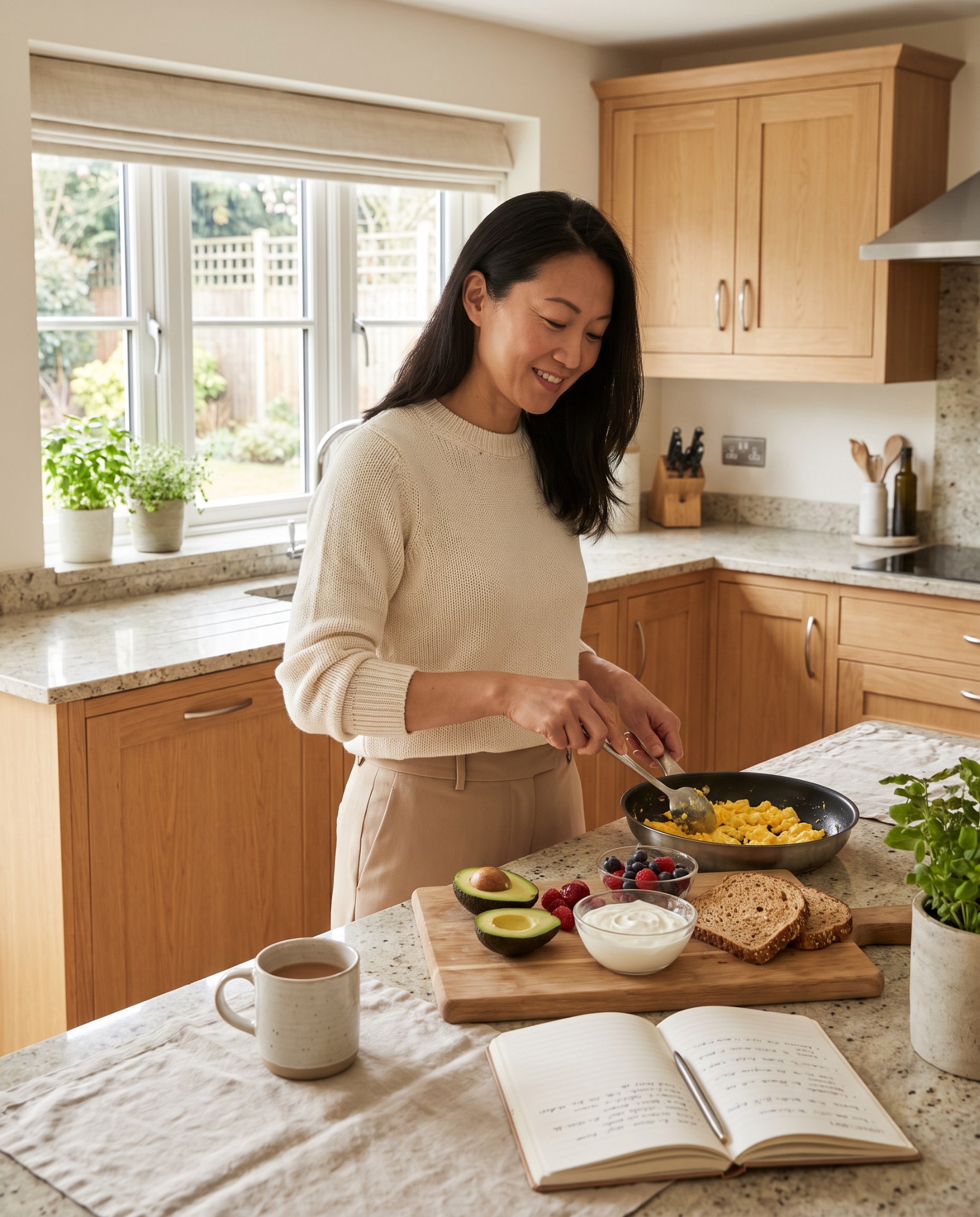
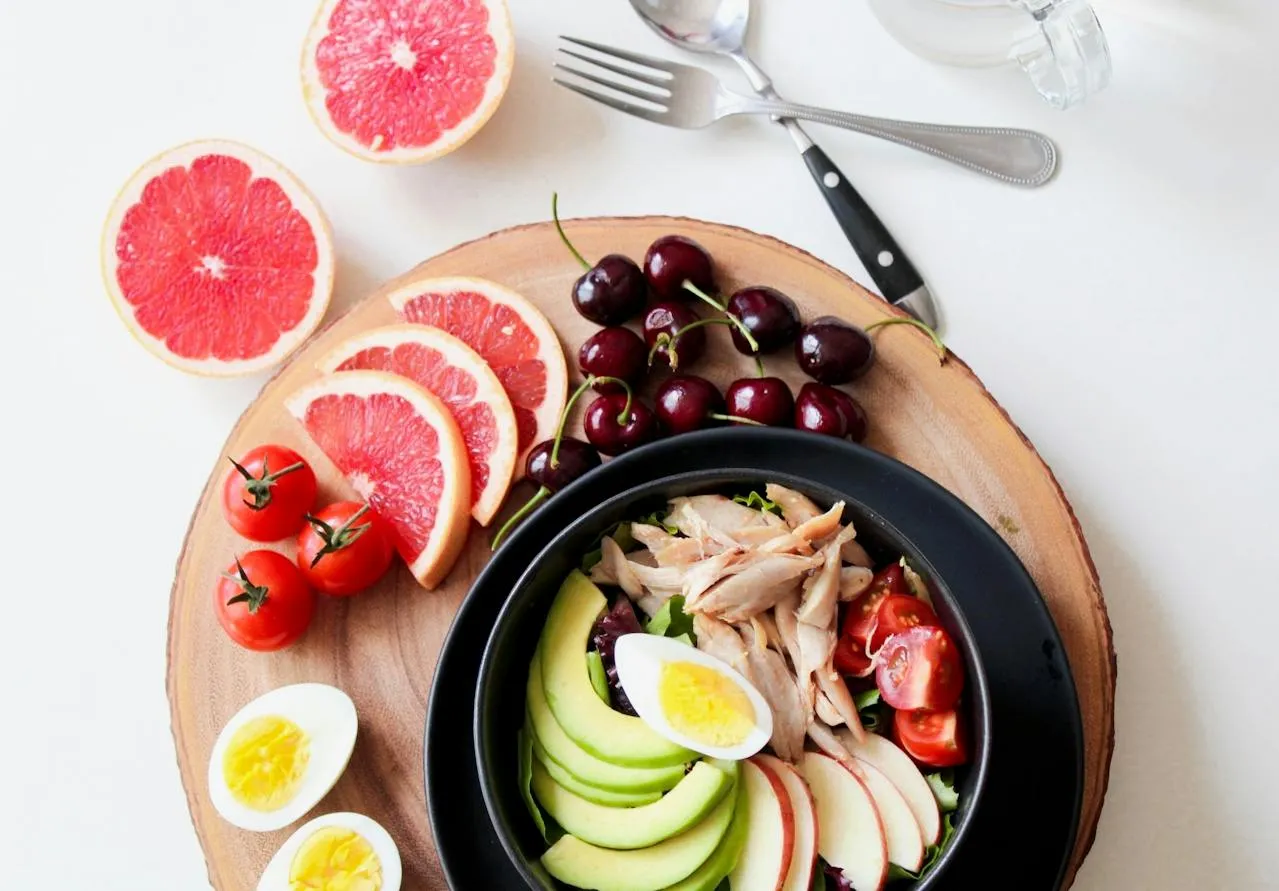
Arriving intensely hungry affects how fast you eat, how much you eat, and how easy it is to make intentional choices. Anchor earlier meals around protein, fiber, and produce: eggs with vegetables, Greek yogurt with berries, a salad with grilled chicken. Arrive hungry enough to enjoy the meal, not so ravenous that you can't make grounded choices.
How to Build a Blood Sugar-Friendly Vacation Meal Without Missing Out
Two strategies consistently make a difference without requiring you to skip anything.
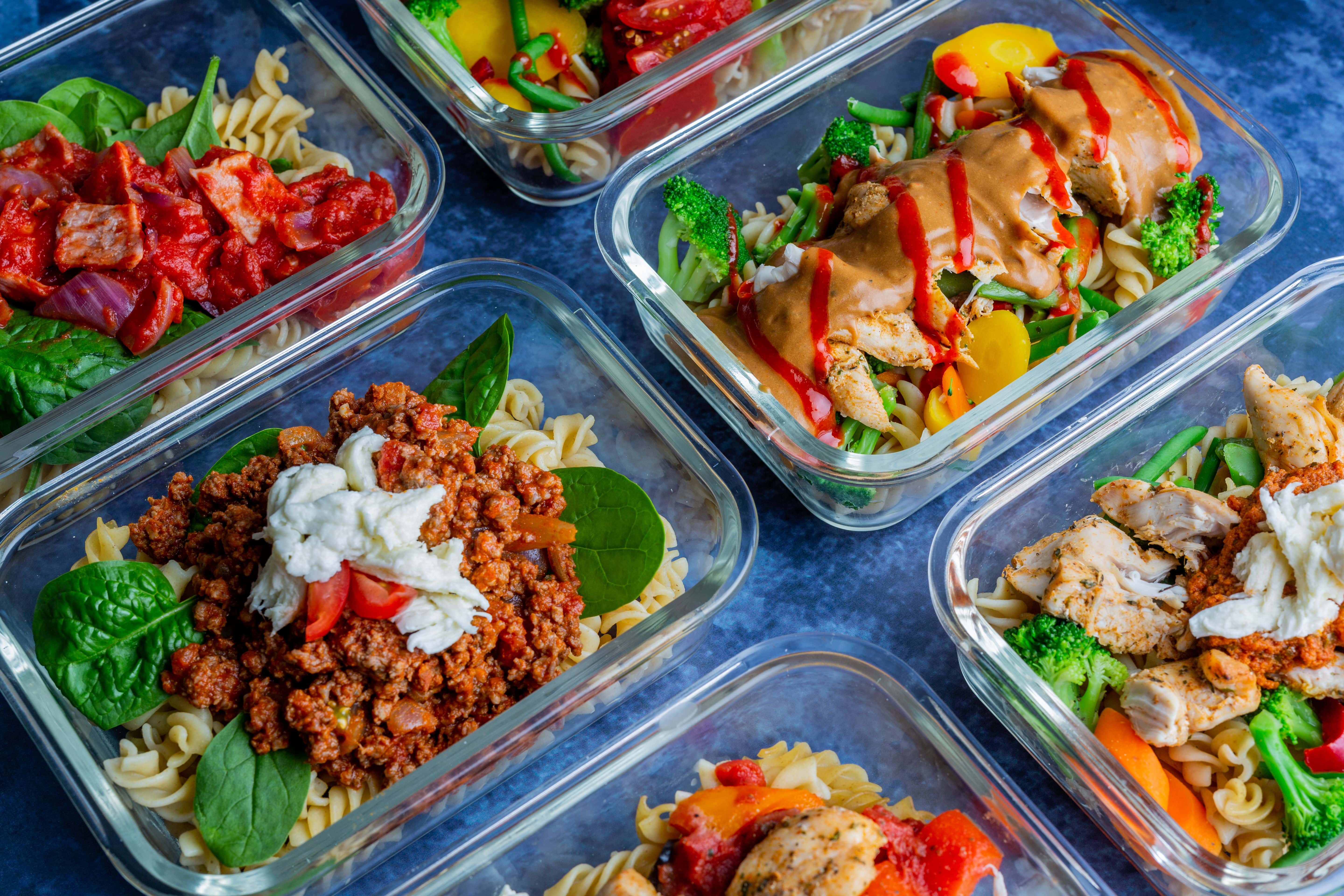
First, build around protein and fiber. A mixed meal that includes protein, vegetables, and fat affects digestion, satiety, and glucose response differently than refined carbohydrates eaten alone. A lot changes when pasta is part of a balanced meal rather than the entire thing.
Second, experiment with food order. Research on meal sequencing shows that eating vegetables and protein before higher-carbohydrate foods produces a more moderate post-meal glucose response. In practice: salad and fish before pasta at an Italian dinner. Guacamole or grilled protein before chips and tacos. Eggs or yogurt before the pastry at a breakfast buffet.
How to Enjoy Treats on Vacation Without Overdoing It
Vacation turns every eating opportunity into a special occasion. Airport pastry, hotel buffet, poolside cocktail, afternoon gelato, bread basket, dinner, dessert. Individually, none of these is the issue. Cumulatively, when everything automatically becomes an exception, the effect adds up.
Before eating something, ask: Is this something I genuinely want, or am I eating it because it's here? Eat the croissant from the bakery you sought out. Skip the generic hotel muffin. Order the dessert that feels special. Spend your flexibility on the experiences you actually care about.
Why Walking After Meals Helps Control Blood Sugar While Traveling
When skeletal muscles contract, they can increase glucose uptake through mechanisms that don't rely entirely on insulin, which is why movement after eating tends to support a more moderate post-meal glucose response.
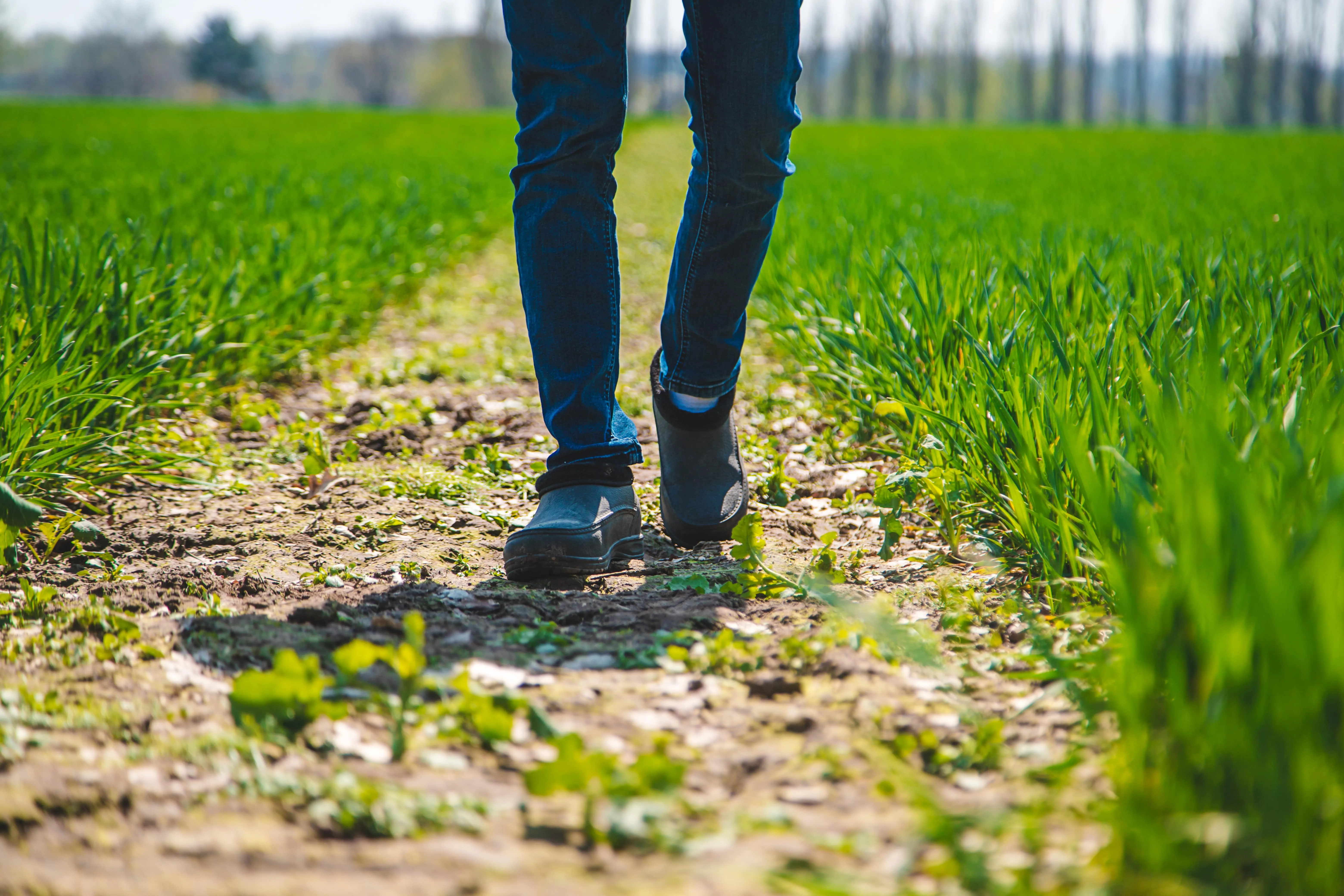
On vacation, this is often already built in: walking back to the hotel after dinner, exploring the neighborhood after lunch, choosing to walk instead of getting a cab. A highly active sightseeing day also creates a different metabolic context for a restaurant meal than a sedentary pool day.
How Alcohol Affects Blood Sugar on Vacation
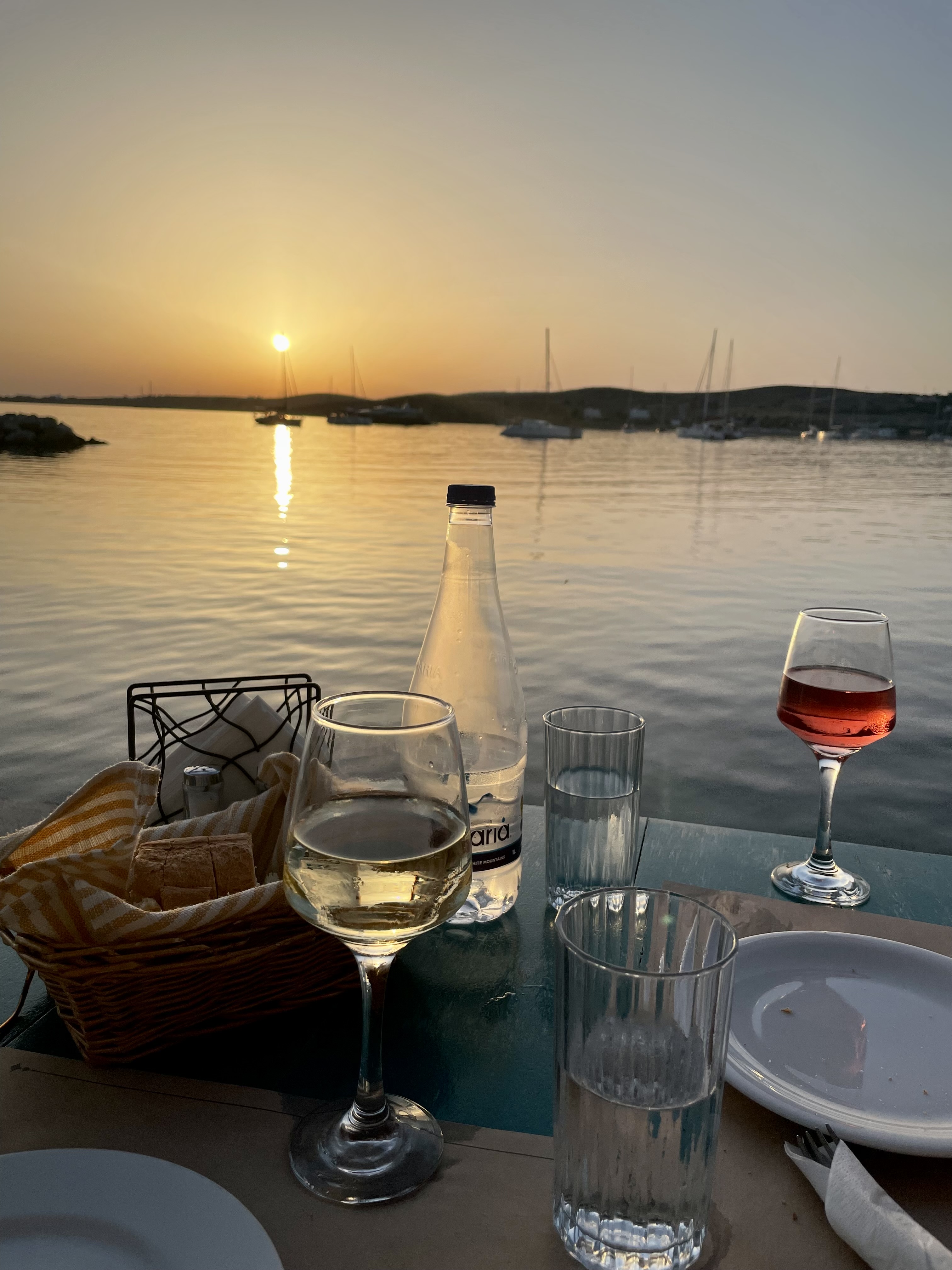
When alcohol is present, the liver prioritizes metabolizing it over its normal glucose regulation duties, which can push blood sugar in different directions. Alcohol also increases appetite, impairs sleep, and tends to drive stronger hunger and cravings the day after.
What you drink, what you eat with it, how much you drink, and how it affects your sleep all shape the metabolic picture.
- Avoid drinking on an empty stomach
- Skip the sugary options like pina coladas, sweet wines, and frozen margaritas, and opt for drier spirits, wine, and ciders like a tequila soda with lime or your favorite spirit with an unsweetened or naturally sweetened mixer
- Pair alcohol with food
- Alternate drinks with water
The cumulative effect of alcohol plus poor sleep plus bigger meals across several days is where most vacation metabolic disruption comes from.
What to Do After Overeating on Vacation (Instead of Punishment)
After a larger meal: take a walk, rehydrate, prioritize sleep, and return to a protein and fiber-anchored meal at your next opportunity. That's it. The goal is the next useful action, not an extreme correction.
After returning home, resume your normal rhythm, rehydrate, get back to resistance training, and give any temporary scale weight a few days to normalize. Instead of asking whether you messed up, ask what you can learn. The most useful response to an indulgent meal is curiosity, not punishment.
How to Stay on Track With Your Health Goals While on Vacation
A few targeted strategies create a lot more room:
- Don't arrive at special meals ravenous
- Build balance around the foods you love
- Use food order when it's practical
- Choose the indulgences you genuinely care about
- Walk after bigger meals
- Understand how alcohol affects more than the moment you're drinking it
- When a meal doesn't go as planned, treat it as data rather than a reason to spiral
The goal of metabolic health isn't a life that only works under controlled conditions. It's understanding your body well enough that your health can exist alongside travel, restaurants, celebration, and the foods you love.
Topics discussed in this article:
References
This article is for general informational purposes and is not a substitute for personalized medical or nutritional advice.

.svg)