

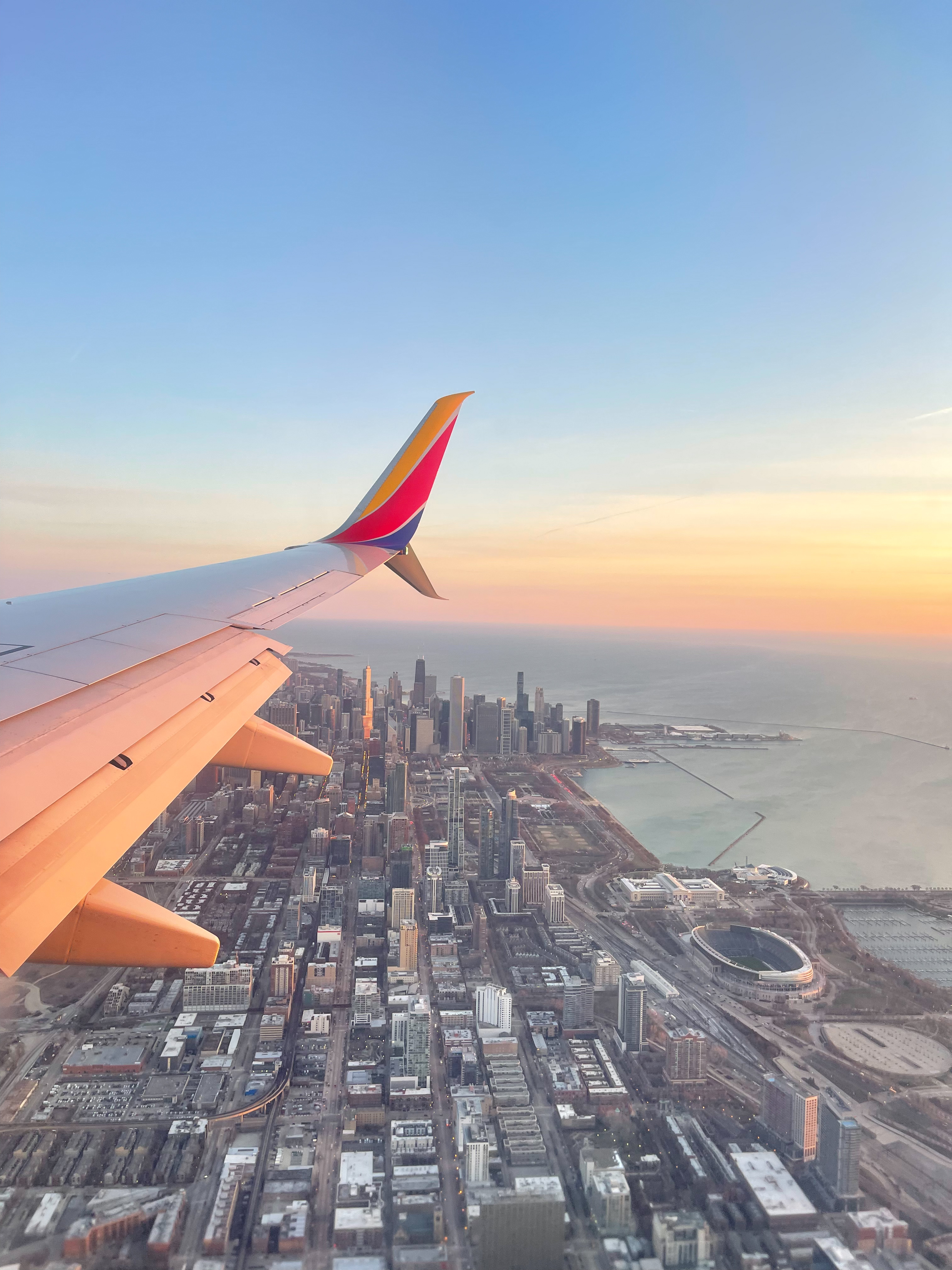
Your phone adjusts to the new time zone the moment you land. Your body takes considerably longer.
Inside your brain and throughout your body are biological clocks that coordinate when you sleep, wake, eat, release hormones, and regulate glucose. Cross several time zones in a matter of hours, and the clock on the wall may say it's breakfast while your metabolism still thinks it's the middle of the night. Add an overnight flight, disrupted sleep, airport meals, and prolonged sitting, and it becomes easier to understand why your glucose may behave differently while traveling, even when you're not eating all that differently.
Travel doesn't affect blood sugar through one single pathway. It can temporarily disrupt several systems involved in glucose regulation at once.
Why Can Travel Affect Your Blood Sugar?
Not all travel affects the body equally. A road trip within your normal time zone is metabolically different from a transatlantic red-eye or a trip across eight time zones. The farther and faster you travel across time zones, the greater the potential mismatch between local clock time and your internal biological time.
Travel can simultaneously change sleep duration and quality, circadian timing, meal timing, physical activity, stress hormones, hydration, and food choices. Each of these can independently influence glucose. During travel, several often change at the same time.
Travel doesn't permanently change your metabolism. It temporarily changes many of the signals your metabolism uses to regulate glucose.
How Do Time Zone Changes Affect Blood Sugar?
Your circadian system is an approximately 24-hour biological timing system. The brain's suprachiasmatic nucleus (SCN) acts as the master clock, responding strongly to light. But biological clocks also exist in the liver, pancreas, skeletal muscle, fat tissue, and gastrointestinal tract, helping coordinate metabolic processes across the day.
When you fly from Los Angeles to London, local time shifts immediately. Your internal clock does not. For several days, the signals affecting sleep, cortisol, melatonin, insulin secretion, and insulin sensitivity may all be operating on different schedules. This is known as circadian misalignment.
The metabolic consequence: glucose tolerance naturally varies throughout the biological day, meaning the same meal may produce a different response depending on when your body thinks you're eating it. A 2022 study published in SLEEP Advances examined glycemic control during one week of eastbound transatlantic travel in healthy adults using continuous glucose monitoring. Average glucose increased progressively each night of travel, approximately 0.7 mg/dL per night, with researchers attributing the worsening to a combination of circadian misalignment and behavioral factors including altered activity and food intake.¹
Your metabolism cares about more than what you eat. It also cares about when your body thinks you're eating it.
Can Jet Lag Raise Blood Sugar?
It may temporarily influence glucose regulation, especially when accompanied by poor or disrupted sleep.
Jet lag isn't simply tiredness. It's a mismatch between your internal biological clock and your external environment that can affect metabolic timing even if you technically spend enough hours in bed. Disrupted sleep adds another layer: insufficient or fragmented sleep can independently affect insulin sensitivity, cortisol, appetite, and food preferences.
A 2024 randomized crossover trial in Diabetes Care, conducted in 38 women aged 20 to 75, found that restricting sleep to 6.2 hours per night for six weeks impaired insulin sensitivity independent of changes in body weight.² A 2022 systematic review and meta-analysis of 21 randomized controlled trials found a significant reduction in insulin sensitivity across studies involving sleep restriction.³
After a red-eye, several factors often converge at once: fragmented sleep, circadian misalignment, and changed meal timing. You land exhausted, hungrier than usual, and a pastry sounds more appealing than your normal breakfast. Then your glucose response looks different than it normally would, because multiple biological factors may be contributing simultaneously.
A higher or more variable glucose day after long-distance travel doesn't necessarily mean your metabolism has deteriorated. Your body may simply be temporarily out of sync.
Does Flying Affect Blood Sugar?
The airplane itself isn't necessarily the primary issue. Flying changes several behaviors and physiological conditions at the same time.
Prolonged sitting. Hours without muscle contraction can reduce one of the major ways glucose is cleared from the bloodstream. Skeletal muscle absorbs a significant portion of circulating glucose after a meal, a process that depends on muscle activity. Hours of inactivity reduce that capacity.
Stress. Airports, delays, turbulence, and travel anxiety can elevate cortisol and adrenaline, hormones that increase circulating glucose by signaling the liver to release stored energy.
Hydration. Cabin air is very dry, and travel can disrupt normal fluid intake. Dehydration may affect glucose concentration and contribute to readings that look different from your baseline.
Irregular eating. Flights create their own eating patterns: skipped meals, meals at unusual times, large meals after long fasting periods. These shifts interact with circadian rhythms and can affect glucose regulation independently of what you eat.
Why Can the Same Foods Affect Your Blood Sugar Differently While Traveling?
You eat the same yogurt and berries you have every morning at home. Normally your glucose response is predictable. On the third day of a transatlantic trip, it looks completely different.
Food is only one variable influencing your glucose response. Sleep quality, circadian timing, recent activity, stress, hydration, and meal timing all shape the response to any given meal. Context changes the response.
Rather than interpreting an unusual travel reading as a permanent change, the more useful question is: what was different about my physiology today? You may have slept four hours. Your body may still think it's the middle of the night. You've been sitting for nine hours. A glucose response isn't a score for the food you ate. It's information about how your body handled that food under those particular conditions.
How to Manage Blood Sugar When Traveling Across Time Zones
The goal isn't perfect glucose while traveling. It's giving your internal clock and metabolism helpful signals as they adjust.
Start adjusting before you leave. For large time-zone changes, gradually shifting sleep and wake times before departure can reduce the size of the adjustment needed after arrival. Eastward travel generally requires shifting earlier; westward travel generally requires shifting later.
Use light strategically after you arrive. Light is one of the strongest signals for resetting the brain's master clock. Getting outside for morning light in the first day or two after an eastward trip can help accelerate adjustment.
Transition toward local meal times. Meals act as timing signals for metabolic clocks in the liver, gut, and pancreas. Moving eating gradually toward destination meal times can help align your metabolic rhythms with the new environment.
Walk after meals, especially after long flights. A 2025 randomized crossover trial in Scientific Reports found that a 10-minute walk immediately after eating produced significantly lower peak glucose compared to remaining seated.⁴ Muscle contractions stimulate glucose uptake through pathways that don't rely entirely on insulin, making post-meal movement particularly useful after hours of sitting. Walk through the airport before getting a car. Walk to dinner after checking in. The walk doesn't need to be long. It needs to happen soon after you eat.
Build your first few meals around protein and fiber. A meal built around protein, fiber-rich vegetables, and healthy fats before carbohydrates tends to produce a more moderate glucose response, particularly when sleep and circadian timing are already working against you.
Don't overreact to the first 24 to 48 hours of CGM data. Travel may temporarily produce higher fasting glucose, different post-meal responses, and more variability. Watch what happens as your body adjusts rather than treating one unusual day as your new metabolic baseline.
The Takeaway
Your body evolved to work in sync with light and dark, consistent sleep, regular meal timing, and daily movement. Travel across time zones temporarily disrupts several of those signals at once. The glucose changes that follow aren't a sign that something is permanently wrong. They're a predictable response to a body operating in the wrong time zone.
Understanding why helps. Using that understanding to give your metabolism better inputs, more movement, better-timed meals, consistent sleep, and strategic light exposure, is what helps it adjust faster. A CGM can make that adjustment period genuinely informative rather than confusing, showing you in real time how your body responds to each change as it recalibrates.
Topics discussed in this article:
References
- Blankenship, J. M., Vetter, C., & Broussard, J. L. (2022). Impairments in glycemic control during Eastbound transatlantic travel in healthy adults. SLEEP Advances, 3(1), zpac009. https://doi.org/10.1093/sleepadvances/zpac009
- Zuraikat, F. M., Laferrère, B., Cheng, B., et al. (2024). Chronic insufficient sleep in women impairs insulin sensitivity independent of adiposity changes: Results of a randomized trial. Diabetes Care, 47(1), 117–125. https://doi.org/10.2337/dc23-1156
- Sondrup, N., Termannsen, A. D., Eriksen, J. N., et al. (2022). Effects of sleep manipulation on markers of insulin sensitivity: A systematic review and meta-analysis of randomized controlled trials. Sleep Medicine Reviews, 62, 101594. https://doi.org/10.1016/j.smrv.2022.101594
- Hashimoto, K., Dora, K., Murakami, Y., et al. (2025). Positive impact of a 10-min walk immediately after glucose intake on postprandial glucose levels. Scientific Reports, 15, 22662. https://doi.org/10.1038/s41598-025-07312-y

.svg)