

GLP-1 medications have reshaped the weight loss conversation in a way we haven’t seen in years. For many, the results feel almost unreal.
The constant mental chatter around food quiets down, hunger becomes manageable, and the scale starts moving in a direction it never has before. The end results are real.
But as GLP-1 use has expanded (1 in 8 adults in the United States now reports taking one)¹, a clearer picture is emerging of what the medication does well, and where it needs support.
Because the research is consistent: a GLP-1 is an incredibly powerful tool, but not the whole strategy. And for a lot of people, a few quiet, easy to miss mistakes are getting in the way of results that actually last (a meta analysis published in the BMJ found that most people return to their baseline weight after stopping a GLP-1 in 1.5-1.7 years).²
Below, we get into 4 of the most common ones, so if you’re on a GLP-1 journey or considering one, you can create lasting results that serve your internal health simultaneously.
Mistake #1: Letting Protein Quietly Disappear
This one happens gradually, and often without anyone noticing. GLP-1s (you probably know them as Ozempic, Wegovy, or Mounjaro) work by mimicking a hormone your body naturally produces called GLP-1 (glucagon-like peptide-1) in response to eating.
GLP-1 signals to your brain that you're full and slows the rate at which food moves through your stomach, which results in hunger dropping significantly. And when you're simply not that hungry, prioritizing protein at every meal can start to feel unnecessary.
But here's what's happening underneath: when overall food intake drops and protein isn't actively prioritized, the body starts breaking down muscle tissue to meet its needs, and the scale won't always tell you that's happening.
Research presented at the Endocrine Society's annual meeting found that approximately 40% of the weight lost on semaglutide does not come from fat, but from lean mass, which includes muscle.³ A separate analysis of real-world GLP-1 users found that nearly 88% are not meeting the recommended daily protein intake, while also being significantly more likely to skip meals compared to people not on the medication.⁴
Why does this matter? Muscle is one of the primary engines of your metabolism, the system your body uses to burn energy throughout the day. The more muscle you have, the more efficiently your body burns calories, even at rest. If you lose muscle during weight loss, you're not just losing strength. You're slowly losing the machinery that makes it easier to keep weight off over time. As you get older, muscle mass starts to matter even more (beyond metabolic health) to decrease the risk of falls, support brain function, maintain bone density, preserve independence and balance, and more.
The good news: Research published in Frontiers in Clinical Diabetes and Healthcare found that combining GLP-1 medications with intentional lifestyle changes, specifically higher protein intake and regular strength training, can significantly reduce muscle loss and improve overall long term outcomes.⁵ The mindset shift worth making is moving away from "how little can I eat?" to "how well can I support my body while losing fat?"
Mistake #2: Ignoring How You Actually Feel
When appetite drops, it's easy to fall into a pattern of eating less without actually eating better. Skipping meals, eating at irregular times, and putting together portions that aren't particularly balanced may “look” like progress, but underneath, it can create a problem that has nothing to do with the medication itself.
Here's the biology: your body relies on a consistent supply of fuel to keep your blood sugar stable throughout the day. Blood sugar is the amount of glucose (the energy your cells run on) circulating in your bloodstream at any given moment. When it's stable, you feel energized and focused. When it swings up and down in response to erratic eating or long gaps between meals, you feel it: fatigue, brain fog, irritability, that vague "off" feeling you can't quite place.
Research presented at the European Congress on Obesity found that people on GLP-1 medications are significantly more likely to skip breakfast, lunch, and dinner compared to people not on the medication.⁴ And while the medication suppresses appetite, it doesn't change the fact that long stretches without eating, or more importantly, nutritionally unbalanced meals (eg, carb dominant meals like pasta or pizza without protein), can produce energy crashes that get chalked up to something else entirely.
You might be losing weight and still not feeling your best. That’s not the connection we want. Losing fat and recompositioning your body to have more lean muscle mass in the process should ideally leave you feeling more vibrant and ready to take on life. If you’re losing weight and feeling worse, there’s something else beneath the surface going on that needs to be addressed and remedied.
Mistake #3: Assuming the Medication Is Doing the Heavy Lifting
This is the hardest mistake to recognize, because it doesn't feel like a mistake at all. Things are working, the scale is moving, and food feels easy for the first time in years.
This is the nuance: GLP-1s reduce appetite. What they don't do is change the habits, patterns, or lifestyle factors that, in part, contributed to weight gain in the first place. The medication quiets food noise. It does not, on its own, rewire your relationship with food or build the daily behaviors that keep results going after it's gone.
Research presented at the European Congress on Obesity found that while GLP-1 users consume fewer calories overall, the actual composition of their diet (the balance of protein, carbs, and fat) remains essentially the same as before they started.⁴ People are eating less, but not differently. Quality of food, structure around meals, and patterns around movement and sleep don’t automatically shift just because hunger does.
The window when you're on a GLP-1 (when appetite is lower and food decisions feel less complicated) is one of the most valuable opportunities you'll have to build habits that make your results sustainable. The people who see the most durable, lasting success treat this phase not as a shortcut, but as a head start.
According to the BMJ, around 50% of people overweight or obese discontinue GLP-1 treatment within 1 year, which is typically before achieving full, clinically significant weight loss results.² Don’t wait until it’s too late to start thinking about what comes next.
Mistake #4: Not Thinking About What Comes After
It's understandable to stay focused on the present, but the research on what happens after stopping GLP-1s is too important to ignore.
A systematic review and meta-analysis published in eClinicalMedicine found that people who discontinue GLP-1 therapy regain the majority of their lost weight. A separate large analysis found that after stopping semaglutide or tirzepatide specifically, the average weight regained in the first year was nearly 10kg (22lbs).² Lead researcher, Dr. Sam West of the University of Oxford, described the speed of that rebound as "the shocking factor."
Why does this happen? When you stop taking a GLP-1, the appetite suppression goes away with it. But the weight loss itself also triggers a set of biological adaptations. Your hunger hormones increase, your resting metabolic rate (the number of calories your body burns just to keep you alive) slows down, and energy expenditure decreases. These are your body's built-in survival mechanisms. They're not a sign of failure; they're your biology doing exactly what it's designed to do. But without habits built during the treatment itself, the body has very little to fall back on once the medication stops.
Research points to what helps: a gradual, individualized dose-tapering approach, which means slowly reducing the medication rather than stopping abruptly. This appears to limit weight regain significantly and that the behavioral interventions built during treatment, including structured eating and consistent movement, are among the most meaningful protective factors.²
The real result isn't what the scale says at month three. It's what it says a year after you've stopped.
How to Do GLP-1s More Strategically
Knowing the mistakes is one thing. Here's what actually moves the needle so you can lose the fat and keep it off over the long haul.
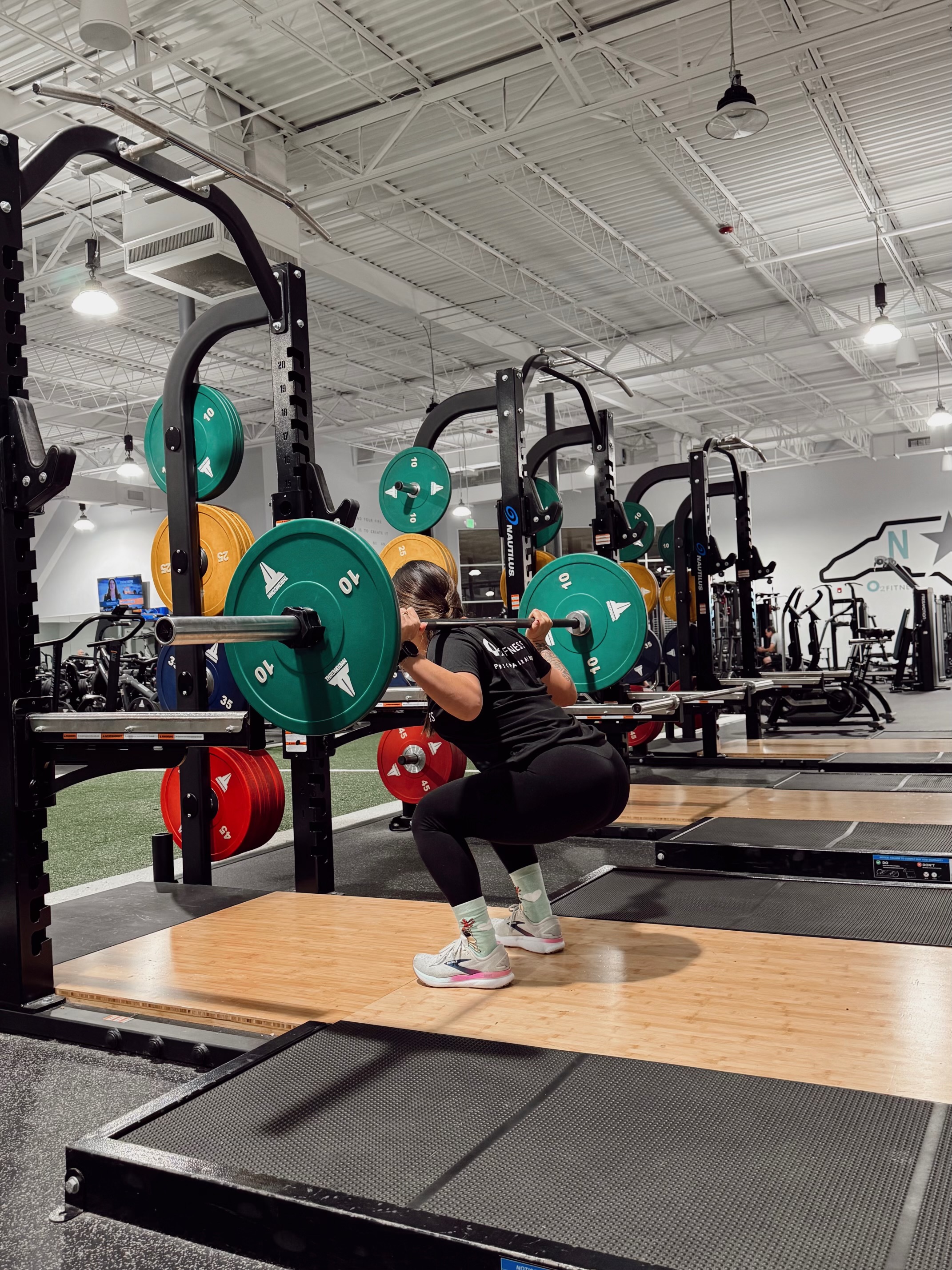
#1 Protect your muscle. Set a daily protein target and treat it as a non-negotiable, even on days when hunger is low. As a general starting point, aim for 30g of protein per meal. Pair this with strength training 2-4x/week. Resistance training is the most effective tool for preserving muscle during weight loss.⁵
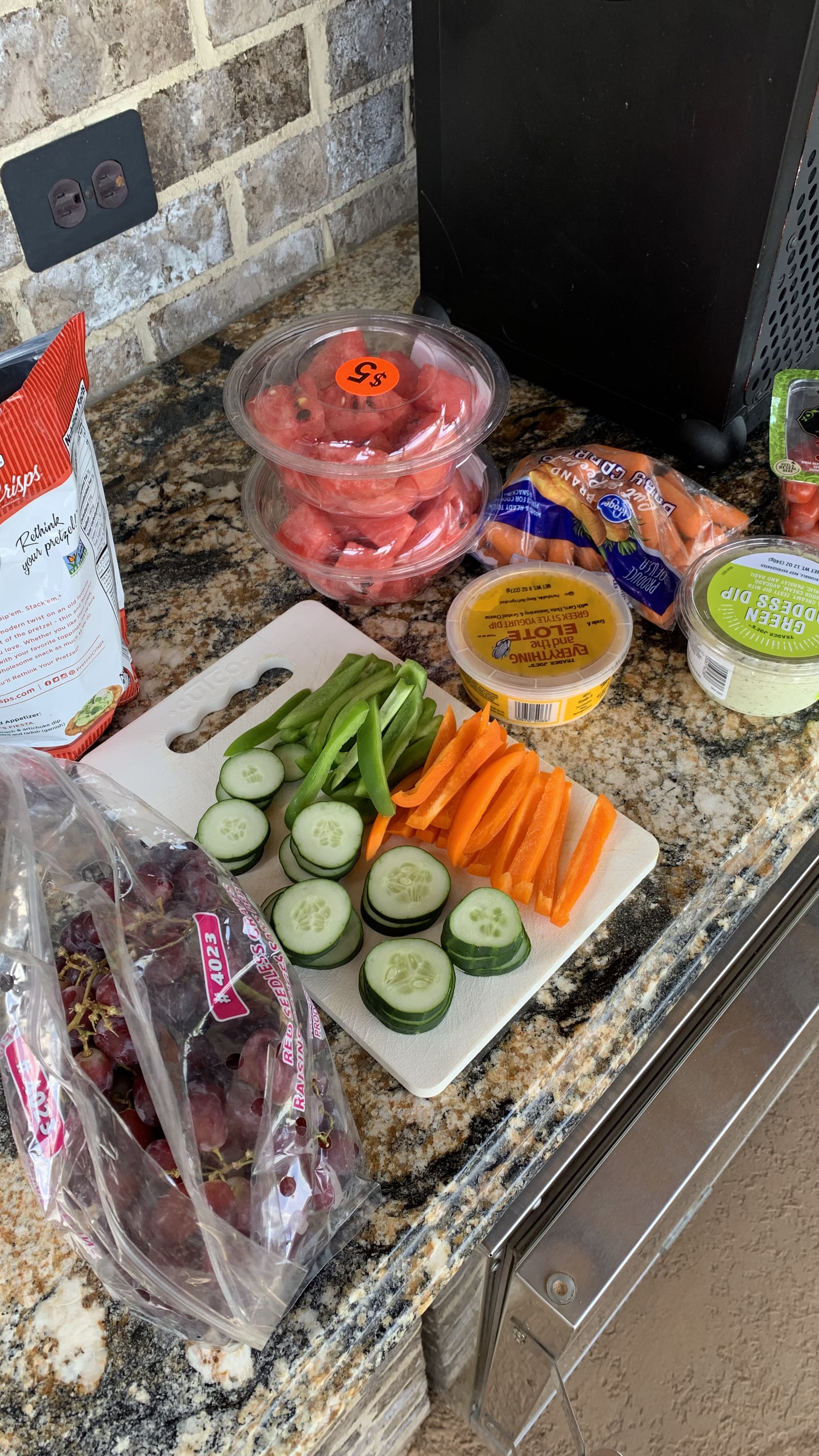
#2 Eat with structure, not just less. Aim for balanced meals at regular intervals throughout the day rather than skipping meals or grazing randomly. Include protein, healthy fats, and carbohydrates together. Use how you feel (your energy, mood, focus) as real feedback about how well your body is being supported.
#3 Use this window to build habits. The reduced appetite you're experiencing is an asset, but only if you use it intentionally and strategically. Focus on improving food quality, establishing consistent meal timing, building a movement routine, and prioritizing sleep. These are the habits that hold up after the medication ends.
#4 Think about the "after" from day one. Work with your prescribing physician on a long-term plan, including a gradual tapering approach rather than an abrupt stop.² The goal isn't to rely on the medication forever; it's to build a lifestyle that works beyond it.
#5 Consider pairing your GLP-1 with real-time data. One of the most powerful things you can do while on a GLP-1 is actually learn how your body responds to food, not just eat less of it. A continuous glucose monitor (CGM) shows you in real time how different foods, meals, and eating patterns affect your blood sugar, energy, and metabolism. That kind of visibility is what turns a GLP-1 into genuine education about your body, helping you understand what to eat, when to eat it, and how to build habits that last long after the medication ends. It also means you may be able to reach your GLP-1 goals at a lower dose and taken for a shorter period of time, which reduces side effects and builds the metabolic independence that makes your results sustainable.
A GLP-1 alone quiets the noise. A GLP-1 paired with a CGM helps you understand what the noise was trying to tell you in the first place.
Topics discussed in this article:
References
- Montero, A., Sparks, G., Presiado, M., & Hamel, L. (2024). KFF Health Tracking Poll May 2024: The public's use and views of GLP-1 drugs. Kaiser Family Foundation. https://www.kff.org/health-costs/kff-health-tracking-poll-may-2024-the-publics-use-and-views-of-glp-1-drugs/
- West, S., Scragg, J., Aveyard, P., Oke, J. L., Willis, L., Haffner, S. J. P., Knight, H., Wang, D., Morrow, S., Heath, L., Jebb, S. A., & Koutoukidis, D. A. (2026). Weight regain following the cessation of medication for weight management: a systematic review and meta-analysis. BMJ, 392, e085304. https://doi.org/10.1136/bmj-2025-085304
- Haines, M. S. (2025). Consuming more protein may protect patients taking anti-obesity drug from muscle loss. Presented at ENDO 2025, the Endocrine Society's Annual Meeting, San Francisco, CA. Massachusetts General Hospital and Harvard Medical School.
- Vinelli, V. (2025). GLP-1 users eat less, but do not change macronutrient composition of diet. Presented at the European Congress on Obesity. IRCCS San Raffaele Hospital and Vita-Salute San Raffaele University, Milan, Italy. Reported via Healio Endocrinology, April 2026.
- Codella, R., Lanzolla, G., & Luzi, L. (2025). GLP-1 agonists and exercise: the future of lifestyle prioritization. Frontiers in Clinical Diabetes and Healthcare, 6, 1720794. https://doi.org/10.3389/fcdhc.2025.1720794

.svg)







.jpg)