

Picture this: you started a GLP-1, and it's working.
Your appetite is quieter than it's been in years. The number on the scale is moving. For the first time in a while, something actually feels like it's clicking.
And then the side effects show up.
For most people, they start in the gut: nausea after meals, bloating, constipation, or unpredictable digestion. Others notice fatigue that wasn't there before or hair thinning that shows up a few months in. And then there's the muscle loss, as the body sheds weight faster than it can distinguish between fat and lean tissue.
If you're experiencing any combination of these, you're not alone. Clinical trials for semaglutide found that over 40% of participants reported nausea, and gastrointestinal side effects were the leading reason people reduced their dose or stopped altogether.
Here's what most people are never told: the majority of GLP-1 side effects aren't random, and they're not inevitable. In many cases, they're the result of a gap. The medication has changed how much you eat, but nothing has changed about how you eat, live, and approach your health. And that mismatch is where the discomfort lives.
Why GLP-1 Medications Cause Side Effects
To understand why side effects happen, you have to understand what GLP-1 medications are actually doing inside your body.
GLP-1 receptor agonists like semaglutide (the active ingredient in Ozempic and Wegovy) work by mimicking a hormone your body already produces: glucagon-like peptide-1, which is released naturally after you eat. Under normal circumstances, GLP-1 tells your brain you're full, slows the rate at which food moves through your stomach (a process called gastric emptying), and helps regulate insulin release in response to a meal.
When you take a GLP-1 medication, you're significantly amplifying all of those signals. The result is powerful appetite suppression. What many users describe as the "food noise" finally goes quiet. But those same mechanisms that make GLP-1s so effective are also what cause the most common side effects: nausea, bloating, constipation, and a general sense that digestion is moving in slow motion.
Your stomach is emptying more slowly. Your body is receiving much stronger fullness signals than it's used to. And most people continue eating the same way they always have (eg, large meals, high in refined carbs and sugar), except now they’re operating under a system that’s fundamentally changed the way their body processes food.
That's the gap. And closing it is where the research points for significantly stronger outcomes.
How to Avoid Common GLP-1 Side Effects
1. Prioritize Protein at Every Meal to Prevent Muscle Loss
One of the most significant consequences of GLP-1 use is muscle loss. A 2021 analysis of semaglutide trials published in Obesity found that approximately 40% of weight lost on GLP-1 medications came from lean mass rather than fat, a finding that has been replicated across multiple trials since. More recently, research presented at ENDO 2025 by scientists at Massachusetts General Hospital and Harvard Medical School confirmed that higher protein intake during GLP-1 treatment was associated with meaningfully better preservation of lean muscle mass.
Why does this happen? GLP-1s suppress appetite broadly, meaning protein intake tends to fall along with total calorie intake. And when the body isn't getting enough protein, it begins breaking down muscle to meet its own needs.
What to do: Aim for 25-35g of protein per meal, and eat it first, before vegetables, carbohydrates, or fats. Research published in Clinical Nutrition shows that protein-first eating reduces post-meal glucose spikes and supports satiety more effectively than eating protein alongside or after other foods. Focus on easy to digest sources like eggs, Greek yogurt, cottage cheese, fish, and chicken when appetite is low.
2. Eat Smaller, More Frequent Meals to Reduce Nausea and Bloating
Gastric emptying (the process by which food moves from your stomach into your small intestine) is meaningfully slowed by GLP-1 medications. A review published in Diabetes, Obesity and Metabolism found that semaglutide reduced the rate of gastric emptying by up to 27% compared to placebo. When food sits in the stomach longer than usual, large meals can trigger nausea, bloating, and intense discomfort that has nothing to do with what you ate.
Most people don't realize this is mechanical, not dietary. The meal that never bothered you before may now feel unbearably heavy, not because of what's in it, but because of how long it's now sitting in your stomach.
What to do: Break meals into smaller portions and eat more frequently, roughly every 3-4 hours rather than relying on two or three larger meals. Stop eating before you feel full. Because gastric emptying is delayed, the sensation of fullness often arrives 15-20 minutes after you've already had too much. Smaller portions, eaten more slowly, reduce the gastric load your stomach has to handle at one time.
3. Stay Hydrated to Reduce Fatigue and Constipation
When you eat less, you drink less, almost automatically. This is partly because a significant portion of daily fluid intake comes from food itself (fruits, vegetables, and cooked grains all carry substantial water). But it also happens because GLP-1 users often feel so satiated that they forget to drink water between meals.
The consequences compound quickly. A 2019 review in Nutrition Reviews found that even mild dehydration (as little as 1–2% loss of body water) can worsen fatigue, impair concentration, and exacerbate constipation, all of which are already common on GLP-1 therapy. Slower gastric motility also increases the body's need for fluid to keep digestion moving.
What to do: Start every morning with a full glass of water before coffee or tea. Aim to drink consistently throughout the day rather than in large quantities at once, since large amounts of fluid can temporarily worsen nausea in people with delayed gastric emptying. If you're experiencing headaches, muscle cramps, or persistent fatigue, consider adding electrolytes (sodium, potassium, magnesium) to your water, particularly if your overall food intake has dropped significantly.
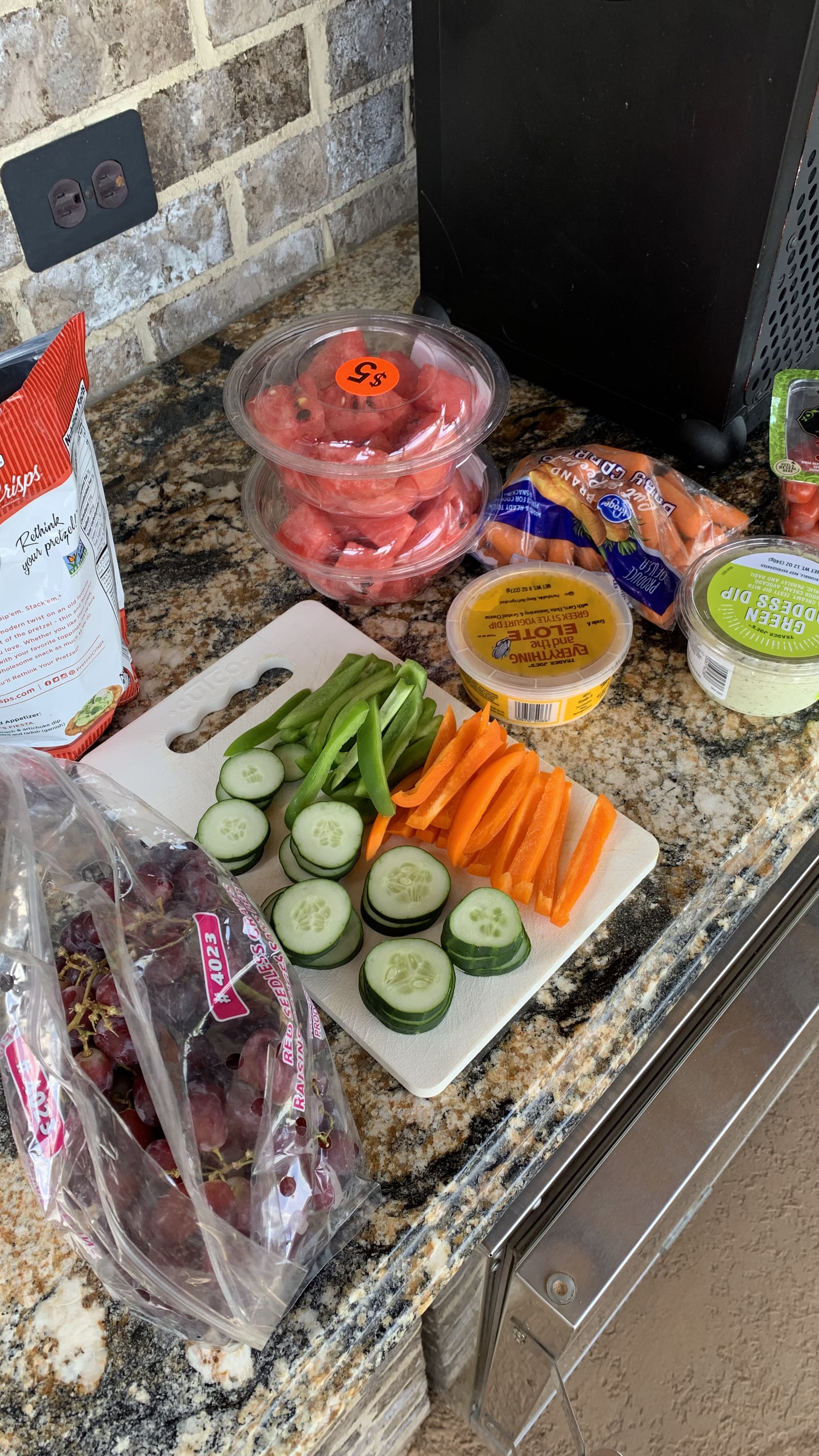
4. Increase Fiber, But Slowly and Strategically
Fiber is genuinely important for gut motility, glucose regulation, and cardiovascular health. But one of the more counterintuitive findings in GLP-1 research is that aggressively increasing fiber during treatment can backfire. Because gastric emptying is already slowed, adding large amounts of fiber (particularly fermentable fibers like those in beans, lentils, and cruciferous vegetables) can worsen bloating and gas dramatically.
A 2020 review in Gut confirmed that insoluble fiber (whole grains, fruit with skin, vegetables like broccoli and cauliflower) in particular can increase gastric discomfort in people with delayed emptying, especially when increased rapidly.
What to do: Increase fiber intake gradually over several weeks, not all at once. Begin with cooked vegetables rather than raw, which are easier to digest. Soluble fiber sources like oats, chia seeds, and well-cooked legumes tend to be better tolerated than raw cruciferous vegetables. Track how your digestion responds as you add fiber, and back off if bloating or constipation worsens. The goal is to build toward adequate fiber intake over time, not to maximize it immediately.
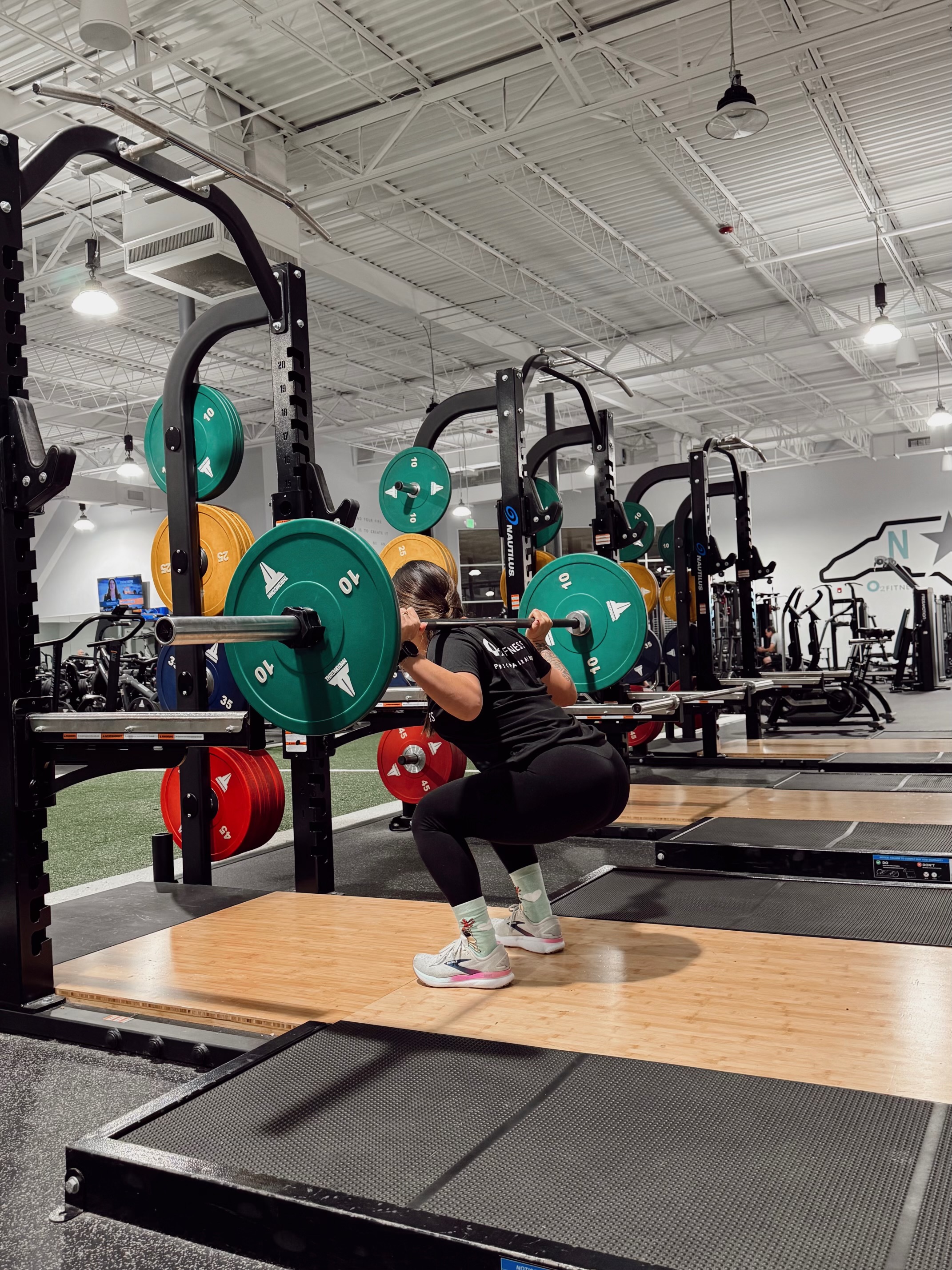
5. Strength Train to Protect Muscle Mass
GLP-1s are extraordinarily effective at creating a calorie deficit. The problem is that a calorie deficit without resistance training is one of the most reliable ways to lose muscle along with fat.
A landmark analysis in The New England Journal of Medicine (STEP 1 trial, 2021) showed that participants on semaglutide lost an average of 14.9% of their body weight over 68 weeks. Follow-up research examining body composition found that lean mass losses were substantial and more pronounced in people who were sedentary during treatment. A 2022 study in Obesity found that adding resistance exercise to GLP-1 therapy significantly improved lean mass preservation and metabolic markers compared to medication alone.
Muscle isn't just about aesthetics. It plays a direct role in insulin sensitivity, resting metabolic rate, and your body's ability to maintain weight loss long-term. Losing it while on a GLP-1 can undermine the very results the medication is meant to support.
What to do: Incorporate resistance training 2-3x/week, and know that "resistance training" doesn't require a gym. Bodyweight exercises, resistance bands, and even loaded carries or stair climbing all count. Consistency matters more than intensity. Pair your training sessions with adequate protein intake (25-35g within 2 hours post-workout) to give your muscles what they need to build and last.
6. Stabilize Your Blood Sugar, Even When You're Eating Less
Here's something that surprises most GLP-1 users: eating significantly less doesn't automatically mean your blood sugar is stable. Long gaps between meals, combined with meals low in protein and high in refined carbohydrates, can still produce meaningful glucose swings, even in people who are eating far fewer calories overall.
Research published in Diabetes Care confirmed that while GLP-1 medications do improve post-meal glucose regulation on average, individual responses vary considerably based on meal composition and timing. People who go 6-8 hours between meals and break that fast with a carbohydrate-heavy meal (even a small one) can still experience significant spikes followed by energy crashes, irritability, and cravings that feel completely at odds with being on an appetite-suppressing medication.
What to do: Pair carbohydrates with protein and a healthy fat (eg, avocado, nuts, olive oil) at every meal, and avoid long stretches (more than 5-6 hours) without eating. If you're curious about your own patterns, real-time glucose data from a continuous glucose monitor can reveal exactly when and why your energy dips or cravings spike, providing insights that are impossible to gather from how you feel alone. Many GLP-1 users who use a CGM alongside their medication discover that small adjustments to meal composition produce dramatically more stable energy throughout the day.
7. Increase Your Dose Gradually to Improve Tolerance
This one is less about what you eat and more about how you and your provider manage the medication itself. Side effects from GLP-1s are, in large part, dose-dependent. A 2022 analysis of the SUSTAIN and STEP trial data published in Obesity Reviews found a clear and consistent relationship between dose escalation speed and gastrointestinal side effect severity. Patients who titrated more slowly experienced meaningfully fewer and less severe side effects than those who advanced doses on the fastest protocol.
The standard titration schedules for GLP-1 medications are designed as minimums, not targets. There is no clinical benefit to rushing through dose increases if your body hasn't adapted to the current dose.
What to do: Work with your provider to titrate slowly, and advocate for yourself if standard escalation timelines are causing discomfort. Staying at a lower, well-tolerated dose for an extra 4 weeks is not failure. It’s good medicine. Note that lower doses also tend to produce fewer side effects overall, which is one of the reasons that using a CGM to optimize what the medication is doing metabolically (so you may not need as high a dose for as long) is increasingly being discussed in clinical contexts.
Topics discussed in this article:
References
- Wilding, J. P. H., Batterham, R. L., Calanna, S., et al. (2021). Once-weekly semaglutide in adults with overweight or obesity. The New England Journal of Medicine, 384(11), 989–1002.
- Haines, M. S. (2025). Consuming more protein may protect patients taking anti-obesity drug from muscle loss. Presented at ENDO 2025, the Endocrine Society's Annual Meeting, San Francisco, CA. Massachusetts General Hospital and Harvard Medical School.
- Nauck, M. A., Quast, D. R., Wefers, J., & Meier, J. J. (2021). GLP-1 receptor agonists in the treatment of type 2 diabetes: state-of-the-art. Molecular Metabolism, 46, 101102.
- Thazhath, S. S., Wu, T., Bound, M. J., et al. (2016). Administration of exendin 4 once weekly for 4 weeks decreases the rate of gastric emptying in a dose-dependent manner. Diabetes, Obesity and Metabolism, 18(8), 820–823.
- Lemmens, S. G., Martens, E. A., Kester, A. D., & Westerterp-Plantenga, M. S. (2011). Changes in gut hormone and glucose concentrations in relation to hunger and fullness. American Journal of Clinical Nutrition, 94(3), 717–725.
- Popkin, B. M., D'Anci, K. E., & Rosenberg, I. H. (2010). Water, hydration, and health. Nutrition Reviews, 68(8), 439–458.
- Barber, T. M., Kabisch, S., Pfeiffer, A. F. H., & Weickert, M. O. (2020). The health benefits of dietary fibre. Nutrients, 12(10), 3209.
- Lundkvist, P., Pereira, M. J., Katsogiannos, P., Sjöström, C. D., & Eriksson, J. W. (2017). Semaglutide reduces plasma levels of the cardiovascular risk factors PAI-1 and E-selectin with no effect on other metabolic parameters in non-diabetic subjects. Diabetes, Obesity and Metabolism, 19(9), 1361–1365.
- Westerterp-Plantenga, M. S., Lemmens, S. G., & Westerterp, K. R. (2012). Dietary protein: its role in satiety, energetics, weight loss, and health. British Journal of Nutrition, 108(S2), S105–S112.
- Rubino, D. M., Greenway, F. L., Khalid, U., et al. (2022). Effect of weekly subcutaneous semaglutide vs daily liraglutide on body weight in adults with overweight or obesity without diabetes. JAMA, 327(2), 138–150.
- West, S., Scragg, J., Aveyard, P., et al. (2026). Weight regain following the cessation of medication for weight management: a systematic review and meta-analysis. BMJ, 392, e085304.

.svg)






.jpg)