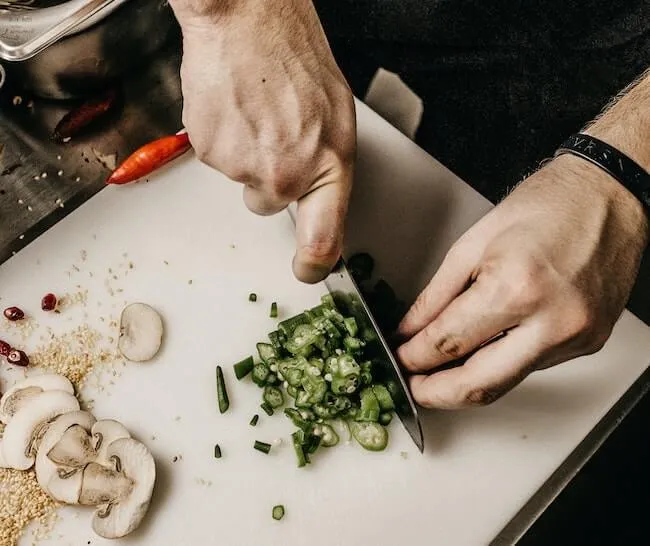


Something happens when you start a GLP-1 that nobody fully prepares you for.
The constant mental negotiation around food goes quiet. Meals that used to feel like the best part of the day start feeling optional. You find yourself genuinely surprised that it's 2pm and you haven't thought about lunch.That's the medication doing exactly what it's designed to do.
Here's the part that gets left out:
Eating less is not the same as eating well.
When your appetite drops significantly, the nutrients your body still needs don't drop with it. Your protein requirements haven't changed. Your need for vitamins, minerals, and fuel for your muscles hasn't changed. What's changed is how much space you have to fit all of it in.
That's why nutrient density (choosing foods that deliver the most protein, vitamins, and minerals per bite) becomes the most important variable in your diet while you're on this medication.
Why Eating Less on a GLP-1 Can Lead to Nutrient Deficiencies
When total food intake drops, it's not just calories that decrease. Protein, vitamins, minerals, and fluids all decrease alongside them. A 2026 review published in Clinical Obesity analyzing six studies covering more than 480,000 adults on GLP-1 medications found that nutritional deficiencies were a common consequence of treatment rather than a rare side effect.¹ Vitamin D deficiency was the most prevalent, affecting 7.5% of users at six months and rising to 13.6% at twelve months. Iron depletion was frequent, with GLP-1 users showing 26 to 30% lower ferritin levels compared to people on other medications, and more than 60% consumed below estimated requirements for calcium and iron.
A 2025 cross-sectional study in Frontiers in Nutrition found that vitamin D, potassium, choline, magnesium, and iron had the largest deficits among GLP-1 users, and only 43% met even the lowest end of the recommended protein range.² Without intention, a smaller plate quietly becomes a less nourishing one.
Many people also notice appetite fluctuates throughout the week. In the day or two after an injection, hunger may feel almost nonexistent. As the dose wanes, appetite edges back. Knowing this helps you plan meals around your body's actual rhythm rather than fighting it.
Why Protein Is the Most Important Nutrient on a GLP-1
If there's one nutritional priority on a GLP-1, it's protein. And most people aren't getting nearly enough of it.
When calorie intake drops without adequate protein and resistance training, the body draws on muscle tissue for fuel. Analysis across recent clinical trials found that lean soft tissue (ie, muscle) accounted for 26 to 40% of total weight lost on semaglutide and tirzepatide.³ But a 2025 prospective study of 200 adults found that with concurrent guidance on resistance training and protein intake, participants lost approximately 13% of their body weight but only 3% of their muscle mass at six months.⁴ The right inputs make a significant difference.
Muscle drives your resting metabolism (the calories your body burns just to keep you alive), helps process blood sugar efficiently after meals, and is the metabolic foundation that makes results last after the prescription ends.
How Much Protein Should You Eat on a GLP-1?
Aim for 0.7-1g per pound of body weight daily. But total daily protein is only part of the equation. Research in Frontiers in Nutrition confirmed that protein distribution across meals, not just the daily total, is a meaningful driver of muscle preservation.⁵
The reason comes down to leucine (an amino acid found in eggs, chicken, fish, dairy, and whey protein) that activates muscle protein synthesis (the process your body uses to rebuild and maintain muscle) at each meal. That signal only fires when leucine crosses a threshold of ~2.5 to 3g per sitting, requiring about 25 to 30g of high-quality protein. 100g of protein consumed mostly at dinner fires that signal once. Distributed across 3 meals, it fires 3x.
Practical protein strategies:
- Eat protein first at every meal, before vegetables or grains. When fullness arrives quickly, your most important nutrient should already be in.
- Front-load earlier in the day. Appetite on a GLP-1 often decreases as the day progresses, making breakfast the most reliable opportunity to hit your threshold.
- Keep accessible options on hand: hard-boiled eggs, greek yogurt (15 to 20g per cup), cottage cheese (14g per half cup), edamame (9g per half cup)
- Use protein shakes as a bridge on days when solid food feels genuinely difficult.
- Pair protein intake with resistance training 2-3x per week. Your body preserves muscle when it's being used.
The Best Foods to Eat on a GLP-1
Large meals become uncomfortable on a GLP-1. Three smaller meals plus one to two snacks per day, spaced consistently rather than compressed into a narrow window, tends to work better. Avoid high-fat options early in the day. Fat slows gastric emptying (the rate at which the stomach moves food into the small intestine) on top of what the medication is already producing, worsening nausea.
Foods that work well:
- Lean proteins (chicken, turkey, white fish, eggs, Greek yogurt, cottage cheese)
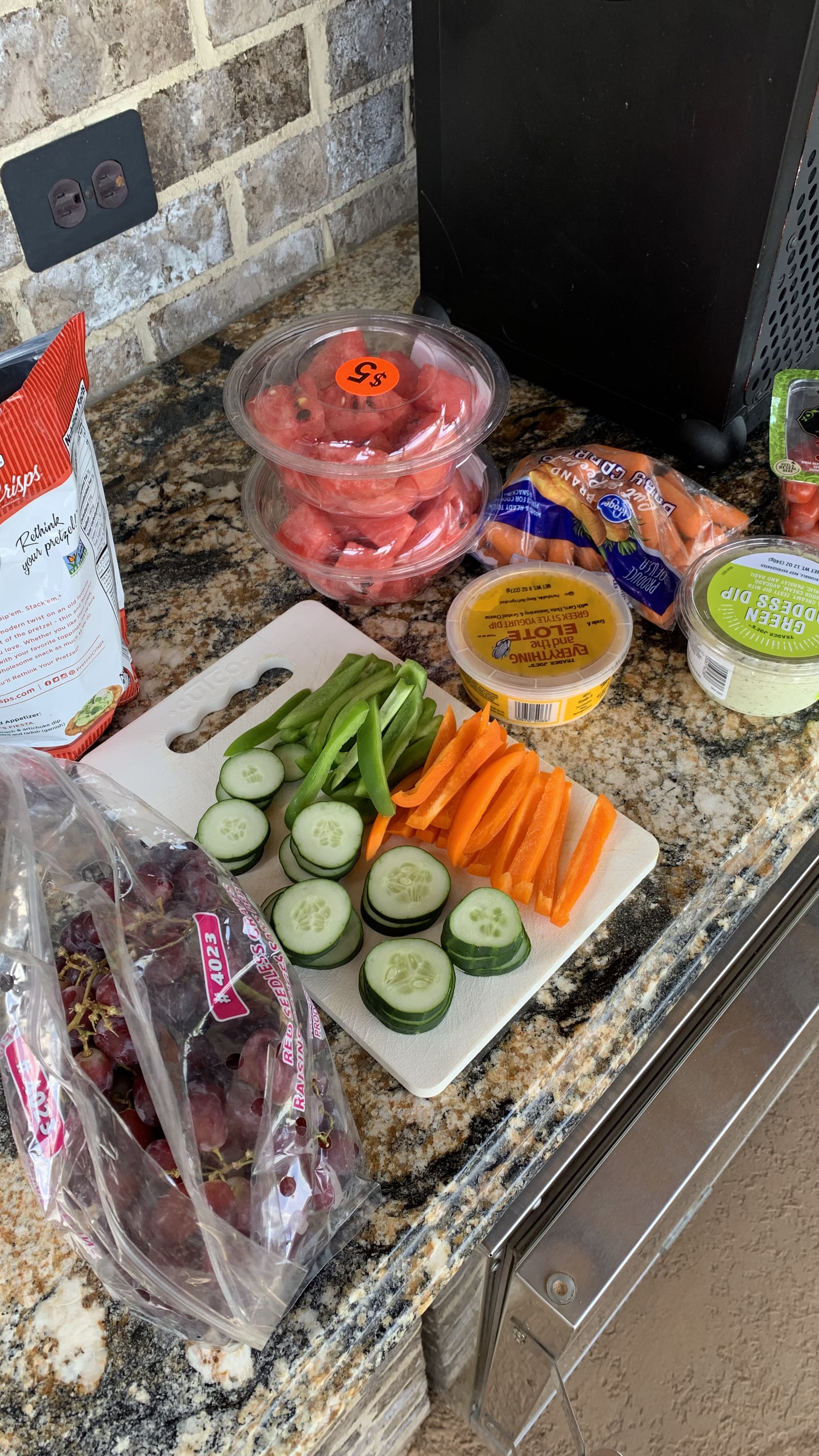
- Non-starchy vegetables (carrots, zucchini, asparagus, green beans, broccoli)
- Soft options on higher-nausea days (scrambled eggs, oatmeal, soup, smoothies)
- Complex carbohydrates in small portions (oats, quinoa, sweet potato, corn tortillas)
- Hydrating foods (watermelon, strawberries, cucumbers, tomatoes, peaches)
What to limit:
- High-fat and fried foods amplify nausea and reflux
- Sugary beverages add sugar without protein or satiety value
- Ultra-processed snacks are calorie-dense but nutrient-poor, and with a limited appetite, they crowd out what your body actually needs
On skipping meals:
Resist the urge. Consistently under-eating leads to muscle loss, nutrient deficiencies, fatigue, and a slower resting metabolism. Eating less is a side effect of the medication. Eating strategically is your job.
How Much Water Should You Drink on a GLP-1?
GLP-1 medications can suppress thirst signals alongside appetite, making it easy to drink less without noticing. Dehydration shows up as headaches, fatigue, constipation, and dizziness. All symptoms easily mistaken for medication side effects. Aim for at least 64oz per day, sipping consistently rather than catching up in large amounts, and mostly between meals rather than with them.
How Blood Sugar Tracking Can Improve GLP-1 Results
GLP-1 medications reduce how much you eat. They don't change how your body processes what you do eat. A meal that looks healthy can still spike your glucose in ways that affect your energy, cravings, and body composition without you feeling it in the moment.
A continuous glucose monitor (CGM) shows you how your specific body responds to the food you're actually eating: which proteins and carbohydrates land well for your metabolism, how meal timing affects your energy, and whether the habits you're building are translating into real metabolic stability. No general food list can tell you which is which for your body. Pairing a CGM with a GLP-1 builds the self-knowledge that makes results last after the prescription ends. The medication manages appetite. The data teaches you how your body actually works.
Signs You're Not Eating Enough on a GLP-1
If any of the following apply, a conversation with your clinician or a registered dietitian is worth having:
- Regularly eating fewer than 1,200 calories per day
- Consistently skipping multiple meals without compensating with nutrient-dense options
- Feeling anxious, guilty, or distressed around eating
- Experiencing significant fatigue, hair thinning, or persistent weakness
- Losing weight faster than 1-2 pounds per week for an extended period
GLP-1 medications change not just how much you eat but how you feel about food. Some people feel relief from reduced cravings. Others feel disconnected from eating entirely. Both are worth addressing. The goal isn't eating as little as possible; it's giving your body what it actually needs, even when you're eating less than you ever have before.
---
This article is for general informational and educational purposes and does not replace the advice of your healthcare provider or a registered dietitian.
Topics discussed in this article:
References
- Urbina, E. M., et al. (2026). Micronutrient and nutritional deficiencies associated with GLP-1 receptor agonist therapy: a narrative review. Clinical Obesity, 16(1), e70070. https://doi.org/10.1111/cob.70070
- Johnson, B., Milstead, M., Thomas, O., McGlasson, T., Green, L., Kreider, R., & Jones, R. (2025). Investigating nutrient intake during use of glucagon-like peptide-1 receptor agonist: a cross-sectional study. Frontiers in Nutrition, 12, 1566498. https://doi.org/10.3389/fnut.2025.1566498
- Tinsley, G. M., & Nadolsky, S. (2025). Preservation of lean soft tissue during weight loss induced by GLP-1 and GLP-1/GIP receptor agonists: a case series. SAGE Open Medical Case Reports, 13, 2050313X251388724. https://doi.org/10.1177/2050313X251388724
- Peralta-Re, D., et al. (2025). Resistance training and protein intake mitigate lean mass loss in adults initiating GLP-1 receptor agonist therapy: a prospective 6-month study. Presented at the Obesity Society Annual Meeting, 2025. Reported via Medscape, April 2025.
- Layman, D. K. (2024). Impacts of protein quantity and distribution on body composition. Frontiers in Nutrition, 11, 1388986. https://doi.org/10.3389/fnut.2024.1388986

.svg)





.jpg)