

Not all weight loss is created equal.
Whether you're considering a GLP-1, already on one, or pursuing fat loss through other means, one of the most important questions to ask isn't how much weight you're losing. It's what kind.
Because the scale going down can mean fat loss, muscle loss, water loss, or some combination of all three. And your metabolism responds to each of those very differently.
The scale rewards all weight loss equally. It doesn't care whether what you lost came from fat, muscle, water, or glycogen. But your metabolism absolutely does.
And understanding that distinction (what you're losing and what you're protecting) is what separates weight loss that actually improves your internal health from weight loss that only changes a number.
Weight Loss and Fat Loss Are Not the Same Thing
Most people use these terms interchangeably. They are not the same thing.
Your weight includes fat mass, muscle mass, water, glycogen storage, bone, and organs. Body composition refers to the ratio of fat to lean mass. Two people can weigh exactly the same while having dramatically different metabolic health profiles. A landmark analysis published in the International Journal of Obesity found that body composition was a stronger predictor of metabolic disease risk than BMI or total body weight alone.¹
The scale is a blunt instrument. Rapid scale loss can create the appearance of meaningful progress while quietly masking muscle loss underneath. You might technically weigh less while simultaneously feeling weaker, recovering more poorly, and losing the very tissue that protects your metabolism long-term.
Why Muscle is Your Most Protective Metabolic Tissue
Muscle is often talked about in terms of aesthetics. Its more important role is metabolic.
Muscle acts as a glucose "sink," absorbing and storing glucose from the bloodstream, reducing the burden on insulin, and helping regulate blood sugar after meals. Research published in the Journal of Clinical Endocrinology & Metabolism found that each 10% increase in skeletal muscle mass is associated with an 11% reduction in insulin resistance, independent of age or weight.² A meta-analysis in Diabetes Care confirmed that resistance training, the most direct way to build and preserve muscle, improves insulin sensitivity (how well your body uses insulin to manage your blood sugar) by an average of 24% in adults with metabolic concerns.³
Losing muscle has the opposite effect. It accelerates insulin resistance, raises fasting glucose, and reduces resting metabolic rate, making long-term fat loss maintenance significantly harder. Muscle tissue burns roughly 3x more calories at rest than fat tissue does,⁴ meaning every pound of muscle lost quietly reduces your baseline calorie burn. This is one of the primary reasons weight regain is so common after rapid weight loss: the metabolism has been altered in ways the scale never revealed.
GLP-1s Can Reduce Muscle Mass Alongside Fat
GLP-1 medications work by suppressing appetite and slowing gastric emptying, producing meaningful weight loss. But without adequate protein intake and resistance training, rapid weight loss significantly increases the risk of losing lean mass alongside fat.
Research presented at the Endocrine Society's 2025 Annual Meeting found that patients on semaglutide who didn't meet their minimum protein targets lost lean mass at rates approaching nearly 40% of total weight lost. Meaning for every 10 pounds lost, up to 4 may have come from muscle, not fat.⁵ Patients who hit protein targets of 0.7–1g per pound of body weight and engaged in regular resistance training (2-3x/week) cut their lean mass loss in half, and in some cases reversed it entirely.
The appetite suppression that makes GLP-1s effective also makes it harder to eat enough protein and train consistently. Many people on GLP-1s unintentionally underfuel. Not out of negligence, but because the medication is doing its job. Without a deliberate strategy to counteract this, the body will pull from lean mass to meet its energy needs.
This is not an argument against GLP-1s. These medications are incredibly powerful tools. The real conversation is about how they're used: whether muscle is being protected, sustainable habits are being built, and metabolic health is actually improving underneath the fat loss.
Appetite Suppression Doesn't Automatically Build Habits
Here's what GLP-1s don't do on their own: teach you how your body works.
Many people lose significant weight on GLP-1s without ever learning what drives their glucose swings, how meal composition affects energy and cravings, or how stress and sleep reshape appetite. The medication manages the signal. It doesn't address the underlying metabolic patterns. A 2026 systematic review and meta-analysis in the BMJ found that most people regain the majority of lost weight within a year of stopping a GLP-1, with hunger often returning more intensely than before.⁶
Real metabolic change comes from understanding how your body responds to food, movement, and daily habits, then building behaviors around that understanding. Research in Cell Metabolism found that reducing large post-meal glucose swings was associated with improved appetite regulation, reduced cravings, and better long-term dietary adherence, independent of caloric intake.⁷ Glucose stability isn't just a number. It affects how hungry you feel, how clearly you think, how much energy you have, and how sustainable your choices feel over time.
4 Ways to Support Healthier Body Recomposition On GLP-1s
#1 Prioritize protein (more deliberately than you think you need to)
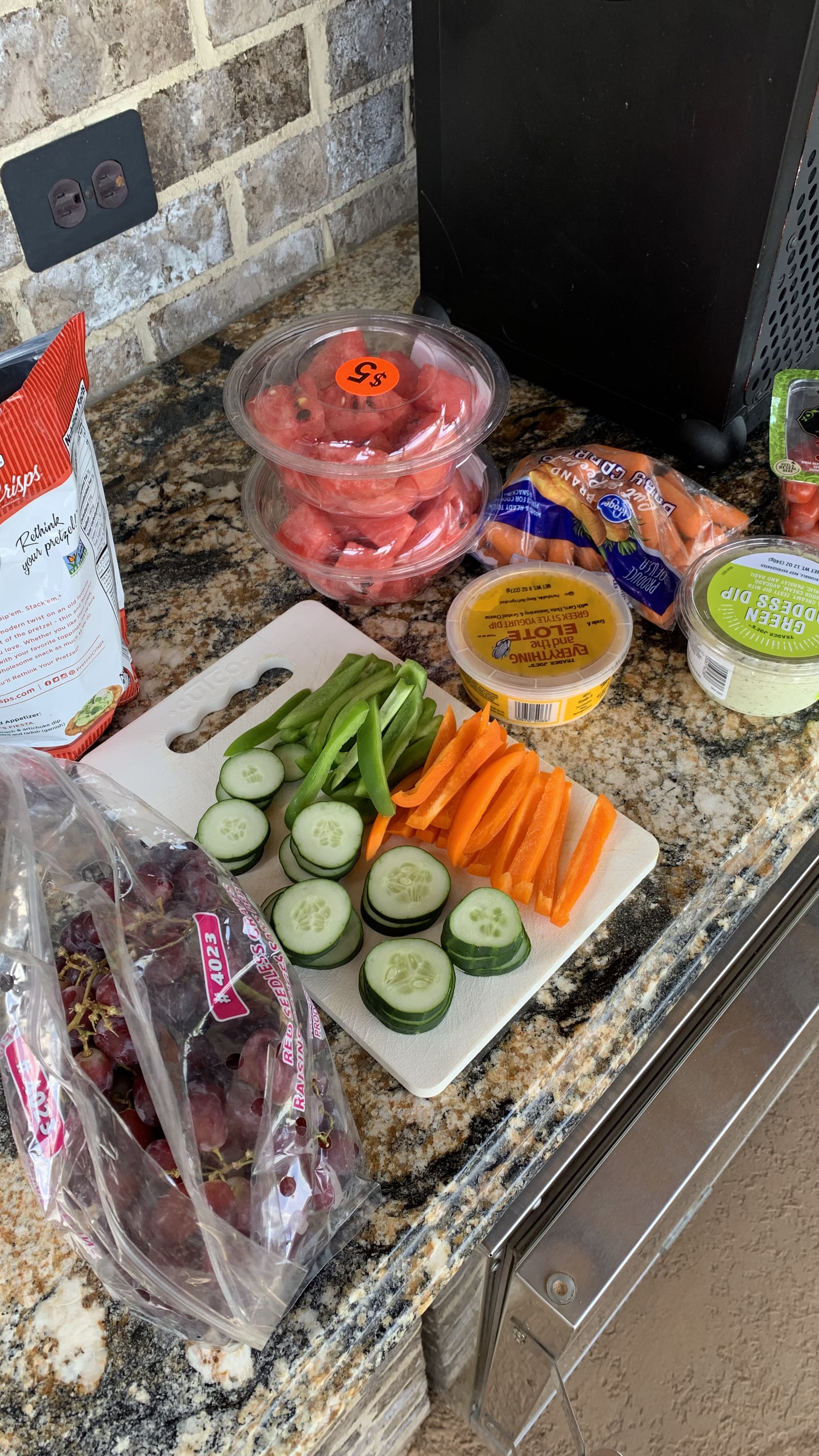
During a caloric deficit, protein is the most critical lever for preserving lean mass. Research recommends 0.7–1g per lb of body weight during active fat loss,⁸ with evidence suggesting the higher end is warranted on GLP-1s given the added lean mass risk. Prioritize high-quality sources (eg, eggs, Greek yogurt, chicken, fish, beef, cottage cheese, beans, legumes) at every meal, ideally before carbohydrates to support both satiety and glucose stability.
#2 Lift weights consistently and progressively
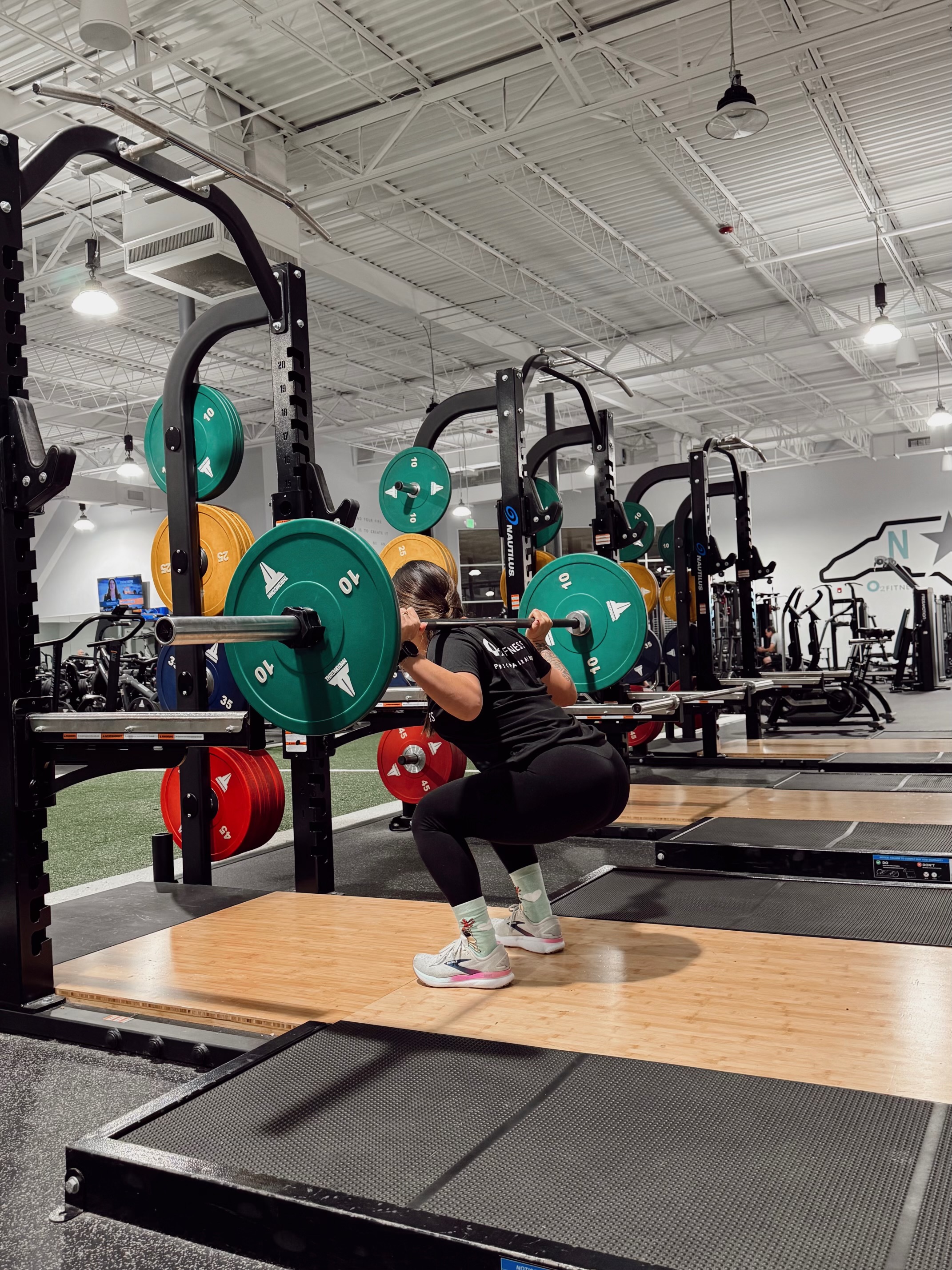
Resistance training is the strongest signal you can send your body to preserve and build lean mass during fat loss. The same research that identified a 40% lean mass loss in GLP-1 users found that combining the medication with progressive resistance training 3-5x/week reduced that figure to under 18%.⁵ Weights, bands, bodyweight. The modality matters less than consistency and progressive overload over time. Make sure you’re challenging yourself.
#3 Don't chase the fastest possible scale loss
Aggressive caloric deficits accelerate lean mass loss. Research published in the American Journal of Clinical Nutrition found that slower weight loss, approximately 0.5–1% of body weight per week (that’s about 1-2 pounds per week), was associated with significantly greater lean mass preservation, even when total weight lost was the same.⁹ The scale moving more slowly is not always a sign something has gone wrong. It may be a sign something is going right.
#4 Build metabolic awareness during the medication, not after
The habits that help push forward results on a GLP-1 are the same ones that preserve them once the prescription ends: meals that keep glucose relatively stable, protein prioritized, movement built into the day, sleep protected. These aren't behaviors that require a medication to maintain. They're behaviors that work with or without one, which is exactly the point. Understanding how your body responds to food and daily life is the most valuable thing you can build during a GLP-1 journey. It's also the thing the medication alone will never give you.
The Real Goal Isn't A Lower Number On the Scale
The healthiest long-term outcome of GLP-1 use isn't simply becoming lighter. It's becoming more metabolically healthy: better insulin sensitivity, more stable glucose, preserved muscle, improved energy, and stronger habits that don't disappear when the prescription ends.
Because the goal worth actually working toward isn't to become less of yourself. It's to build a stronger, more metabolically resilient version of yourself underneath the fat loss.
Topics discussed in this article:
References
- Romero-Corral A, et al. (2008). Accuracy of body mass index in diagnosing obesity in the adult general population. International Journal of Obesity, 32(6), 959–966.
- Srikanthan P, Karlamangla AS. (2011). Relative muscle mass is inversely associated with insulin resistance and prediabetes. Journal of Clinical Endocrinology & Metabolism, 96(9), 2898–2903.
- Strasser B, Pesta D. (2013). Resistance training for diabetes prevention and therapy. Experimental Diabetes Research.
- Zurlo F, et al. (1990). Skeletal muscle metabolism is a major determinant of resting energy expenditure. Journal of Clinical Investigation, 86(5), 1423–1427.
- Haines MS. (2025). Consuming more protein may protect patients taking anti-obesity drug from muscle loss. Presented at ENDO 2025, Endocrine Society Annual Meeting, San Francisco, CA. Massachusetts General Hospital and Harvard Medical School.
- West S, Scragg J, Aveyard P, et al. (2026). Weight regain following the cessation of medication for weight management: a systematic review and meta-analysis. BMJ, 392, e085304.
- Hall KD, et al. (2019). Ultra-processed diets cause excess calorie intake and weight gain. Cell Metabolism, 30(1), 67–77.
- Stokes T, et al. (2018). Recent perspectives regarding the role of dietary protein for the promotion of muscle hypertrophy with resistance exercise training. Nutrients, 10(2), 180.
- Garthe I, et al. (2011). Effect of two different weight-loss rates on body composition and strength and power-related performance in elite athletes. International Journal of Sport Nutrition and Exercise Metabolism, 21(2), 97–104.

.svg)



.jpg)




.jpg)